


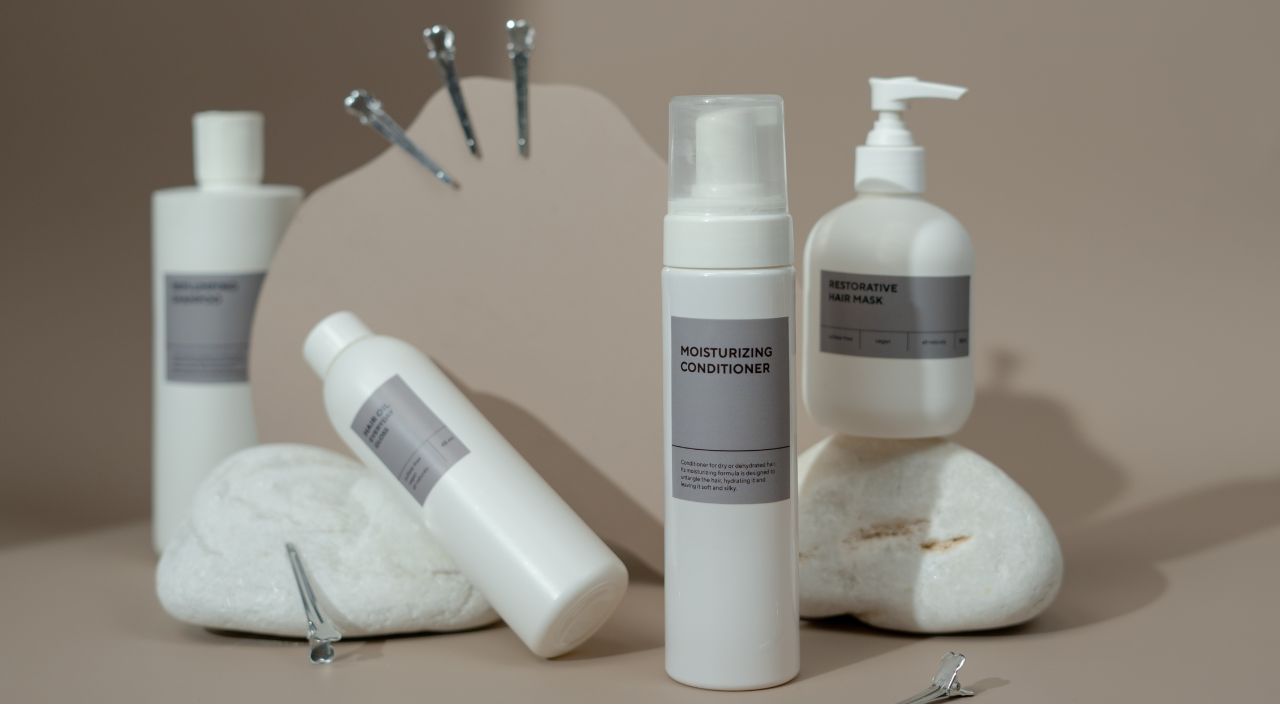
The beauty aisle has always promised confidence in a bottle. Shiny hair. Frizz- free curls. Salon-level smoothness at home. Recent investigations have found potentially dangerous chemicals in some popular hair products that are a public concern, igniting fresh debate about cosmetic safety.
If you are using shampoos, dry shampoo, hair sprays, relaxers, or keratin treatments daily, this thing can affect you so much, and the conversation isn’t just trending. It’s becoming a major public health matter for discussion in 2026.
Let’s break down what’s happening, why it matters, and what you should do next.
What triggered the latest safety concerns?
The alarm started after independent laboratory testing was conducted, which revealed the presence of dangerous chemical substances widely used in hair products. Consumer advocacy groups have tested many batches of shampoos, conditioners, hair sprays, straighteners, aerosol sprays, and have discovered chemicals such as phthalates, parabens, benzene, formaldehyde-releasing agents,s and parabens.
Most of these chemical substances are also known as carcinogens, which cause disruption of hormones and respiratory problems.
Not every product or brand needs to be affected; the fact that these chemicals were detected has raised serious concerns about the manufacturing oversight and regulatory gaps. In some cases, contamination occurred unintentionally during production. In others, the ingredients were legally permitted under current regulations.
But the issue is that the “legal” doesn’t always mean “safe in the long run”.
Which chemicals were found in hair products?
Here are the most commonly identified chemicals:
Benzene
Benzene is a known human carcinogen, which is linked to blood cancers and leukemia. It’s not intentionally added to cosmetics or hair products, but can contaminate aerosol products during manufacturing, even if it’s low level. Repeated exposure is concerning.
Formaldehyde-releasing products
Formaldehyde is commonly related with keratin treatments and hair smoothing treatments. Some of the products don’t list it directly, but they contain preservatives that can release formaldehyde over time. It has also been classified as a carcinogen and can cause breathing issues and eye irritation.
Phthalates
Often hidden under the term “fragrance”. This term, phthalates help scents last longer, and they are also known as endocrine disruptors, which can interfere with the hormonal function.
Parabens
Parabens are preservatives that are used to prevent any mold or bacteria. Studies suggest that they may mimic estrogen in the body, potentially increasing the chance of hormone-related cancers.
How these chemicals may affect your health

You are thinking that you have used these chemical products for years. Should you be worried about it?
The key concern is cumulative exposure. Most people don’t just use one product; they layer it with shampoo, conditioner, and leave-in mask treatments, oil, sprays, and dry shampoo, sometimes daily.
Short-term effects may include:
Scalp irritation.
Allergic reactions.
Headaches.
Coughing or throat irritation.
Long-term risk could include:
Fertility issues.
Increased cancer risk.
Asthma and respiratory problems.
Hormonal imbalance.
Recent studies have also advised a link between frequent use of chemical hair products, hair straighteners, and higher rates of uterine cancer. While research is ongoing, the pattern is concerning enough to warrant attention.
How the beauty industry is responding
Some brands have voluntarily recalled affected products. Others have reformulated their lines to eliminate the ingredients. Meanwhile, the clean beauty movement continues to grow with more brands marketing themselves as paraben-free and non-toxic. However, clean doesn’t mean that the product is clean. It is important to look for the product description before buying.
What could you do right now?
You don’t have to worry about this, but you have to be alerted to and cautious of these products before buying them. Some of the steps you can take to reduce risk are: Read ingredient labels carefully, Avoid products that have listed formaldehyde-releasing preservatives, Limit aerosol spray usage, Choose fragrance-free options when possible, Look for brands that disclose a full ingredient list, Use hair treatments in well-ventilated areas, and some changes can reduce long-term exposure.
Conclusion
The dangerous chemicals in some popular hair products have a very crucial conversation about accountability and health transparency. While not every product possesses risk, the presence of carcinogens and hormone-disrupting chemicals in everyday items is enough to warrant caution.
The takeaway? Steam informed. Read labels. Choose wisely. And remember, your health is always more important than a temporary beauty fix.
