


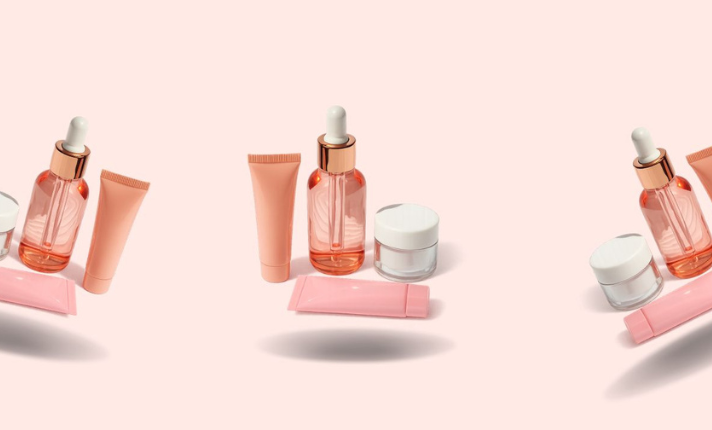
The online websites have made it easier than ever to get glowing skin care delivered straight to your doorstep. With a few clicks, consumers can online order luxury skin care. Which has serums, moisturizers, sunscreen, and dermatologist-recommended creams, as well as viral TikTok skin care sensations. But due to this convenience, a troubling trend is gaining momentum. Fake skin care products are flooding all over the online marketplace.
Authorities and consumer protection agencies are now issuing urgent warnings about skin care products that are circulating widely across social media platforms, third-party marketplaces, and unofficial websites. These products look so similar to the original one, but they may have harmful ingredients, unsanitary formulations, or none of the active ingredients are present as promised in the product.
What’s worse? Many buyers don’t realize that they have purchased a fake product until their skin reacts to that product or their money is gone.
The Rise of Counterfeit Beauty Products Online
The global beauty industry is worth billions, and wherever money flows, counterfeiters follow. Popular skin care brands, especially dermatologist-labelled products, or luxury brands, have become prime targets for duplication, from high-end serums such as vitamin C serums to acne treatments and anti-aging creams, counterfeit versions are being sold at discounted prices that seems same like orignal, too good to pass up.
Social media. Platforms have actually been related to the problem. Influencers always recommend products that they think can lead to quick sellouts on their official websites. Consumers searching for alternatives may turn to the third-party sellers offering “limited stock” or “exclusive discounts”. That’s where counterfeiters get in.
Sometimes it is a struggle to monitor every listing presented on the online marketplace. As it allows fake products to mix up with the original ones. In many cases, fake products have so original packaging, so convincing that even experienced shoppers get fooled by it.
What Makes Skincare Products Dangerous?
At first glance, counterfeit products such as moisturizer may look harmless. The packaging is nearly identical to orignal one, same logo, batch numbers, and branded seals. But inside the product is different as mentioned in the label and may not get the results what is expected due to its fake labelling.
Fake sunscreen products may contain mercury or heavy metals, chemicals, contamination of bacteria, high levels of steroids, expired or diluted ingredients, or industrial substances. As these products are made outside the regulatory oversight, there is no guarantee of hygiene, safety, or ingredient accuracy.
Skin reactions that could happen by using these counterfeit skin care products include severe breakouts, acne, allergic reaction, chemical burns, rashes and swelling, hyperpigmentation, and long-term skin barrier damage.
Why consumers are falling for counterfeits product
Counterfeit skin care products feel easy to buy with their lower prices, limited availability, professional looking listings. Many buyers assume that if a product is listed on well known marketplace, it must be original. Unfortunately, this isn’t always the case.
Brands and authorities issue warnings
Several major skin care brands have publicly announced and addressed their issue, urging customers to purchase only products from the authorized marketplace or official websites.
Some companies are introducing new anti-counterfeit measures such as Pure QR codes for authenticity verification, tamper-proof seals, blockchain-based tracking systems, and unique serial numbers.
It is advised that shoppers report suspicious sellers and avoid deals that seem unusually cheap.
The Financial and Health Impact
Beyond skin damage, Counterfeit skin care products cost consumers millions each year. Buyers often have limited options for a refund when purchasing from unauthorized sellers. Additionally, counterfeit sales hurt legitimate businesses and undermine trust in the beauty industry. Applying unknown substances daily can pose serious long-term health risks.
How to Protect Yourself When Shopping Online
To avoid becoming a victim of these products, experts recommend:
Directly buy from authorized sellers, avoid trusting social media sellers without verification, check product reviews before buying, always compare product packaging with official brand images, and use secure payment methods.
Conclusion
Fake skin care products that are circulating all over online websites are just a financial scam. They pose a real health risk. As counterfeiters become more advanced, consumers should also become more cautious and should be alerted about it. Should always purchase from trusted sources and pay attention to the packaging details, as it can make all the difference. When it comes to skin care, your health is more important than an affordable discount tag
