


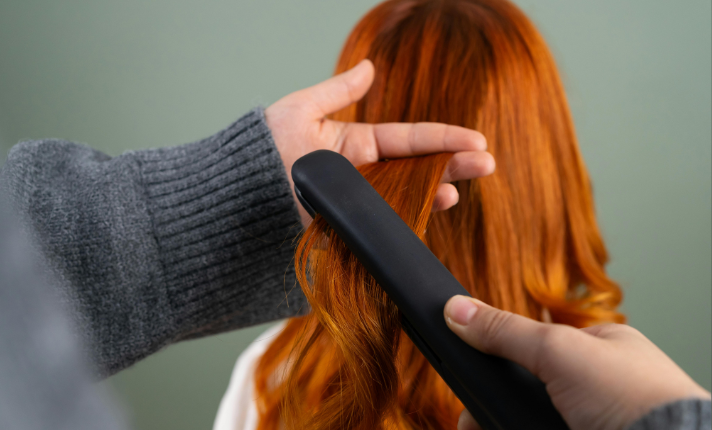
Health officials and skin doctors are getting worried. They have seen a rise in concerns after an intense growth of reports that are being linked to the popular hair straightening treatments and severe allergic reactions.
These treatments that are widely used in salons or at home to achieve smoother hair, frizz-free hair, are now following many incidents that can include burns on the scalp, swelling, trouble breathing, and, in rare cases, an individual may be hospitalized. This issue has been a fresh debate about the safety of chemical hair treatments and the need for stronger consumer warnings.
Rising Reports of Adverse Reactions
In recent months, many dermatology clinics and emergency rooms in several areas have documented that there is an increase in the number of patients who are experiencing serious reactions shortly after undergoing keratin treatments, permanent straightening procedures, chemical treatments, or relaxers. While a little bit of irritation is normal with such treatments, experts say that the severity of some recent cases is worrying.
Patients have reported symptoms such as burning and irritation of the scalp, widespread rashes, shortness of breath, hives, swelling of the face, lips, and eyelids, nausea, and dizziness.
In most of the cases, patients are required to get medical emergency treatment to suspect anaphylaxis, which is a life-threatening allergic reaction. Doctors say that these allergic reactions to cosmetic products are not new. The intensity of these reactions suggests that certain ingredients may be triggering immune responses.
Chemicals Under Investigation
Hair straightening treatments involve very strong chemical compounds to break down and reshape hair. The formaldehyde-releasing agents are the most controversial ingredients. Some manufacturers advertise that their products are free of formaldehyde or any chemicals, while experts note that certain chemicals are released when heated during flat ironing, such as formaldehyde gas.
Formaldehyde is known to cause skin allergic reactions and irritation, and also respiratory problems. That has been classified as a human carcinogen. In addition to formaldehyde, other allergic reactions may include other potential allergens such as glyoxylic acid, ammonium thioglycolate, fragrance compounds, a nd preservatives such as methylisothiazolinone.
While these substances come into contact with the scalp and skin, they can cause many allergic reactions. A dermatologist says that repeated exposure may increase the risk of developing an allergy, even if a person has previously tolerated the treatment without problems.
Salon Workers at Increased Risk
While clients may experience a single exposure every few months alone, workers face it daily with these chemicals. Occupational health experts warn tthat heir hairstylists may be particularly vulnerable to respiratory irritation and sanitization over time.
Work advocacy groups are calling for improved ventilation systems, clear labeling of chemical contents, and better protective equipment to protect both employees and customers.
Industry Response
Most of the cosmetic companies have stated that their products are always made by meeting the regulatory safety standards if used as directed. Manufacturers argue that allergic reactions are relatively rare compared to the number of treatments performed each year globally.
However, consumer advocates argue that the labeling can be misleading, like the products that are labeled as natural, organic, herbal, or safe may still contain some kind of chemical agents, which can be capable of triggering reactions.
Medical Advice for Consumers
Healthcare authorities always recommend that individuals who are getting hair straightening treatments take some precautionary steps:
Always get a patch test at least 48 hours before the treatment. Always ensure that the salon has a proper ventilation system. Avoid treatments if your scalp is already broken or irritated. Inform your hairstylist of any histories you have of allergies or asthma. Always seek help if severe symptoms occur.
A dermatologist also suggests spacing out chemical treatments to avoid cumulative exposure and giving the scalp time to recover between sessions. Parents are advised to be especially conscious when considering chemical treatments for teenagers, whose skin is even more sensitive.
Conclusion
As in recent months, it has been seen that there is a link between hair straightening treatments and severe allergic reactions, which has prompted renewed calls for clearer labeling, caution, and stronger safety oversight. While many people always undergo these procedures without any reactions happening to them, recent cases highlight that the potential risk is associated with powerful chemical formulations
Consumers are still encouraged to always stay alerted informed, consult a professional, and consider their health when going for cosmetic treatments. As investigations continue, both the beauty industry and regulators face mounting pressure to ensure that the pursuit of style does not compromise public health and safety
