


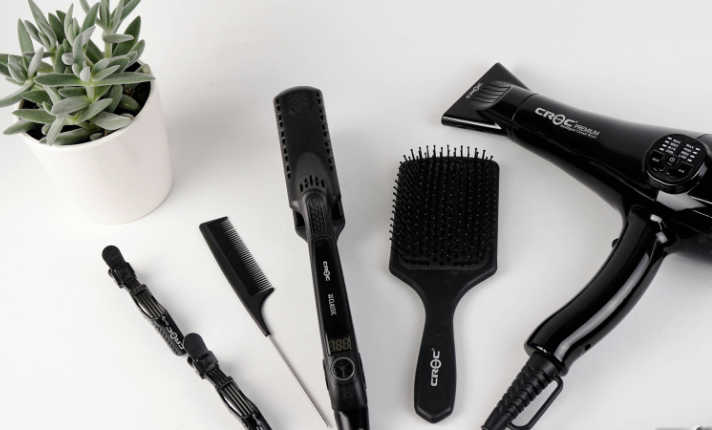
Shoppers are now being urged by consumer safety experts about an increasing problem of counterfeit beauty tools sold on the internet, due to recent incidents that have linked these products to burns, electric shocks, and other severe injuries.
Numerous customers have reported issues with these devices that they bought from 3rd party sellers malfunctioning while they were in use, resulting in severe and lasting injuries. Some of the products being discussed by these experts include flat irons, curling irons, blow dryers, facial steamers, LED masks, and laser hair removal. A lot of these products were sold as being authentic name-brand items, but have now been found to be counterfeit.
Injuries Raise Alarm
Reports from hospitals and dermatologists suggest that patients are increasingly experiencing burn injuries from the use of overheated styling tools. For example, a 26-year-old woman recently reported buying a flat iron that became so hot it burned her hand when she tried to turn it off, and her hair was damaged because of the extreme heat generated.
Another customer has claimed that sparks flew from her hot curling iron after it had only been plugged in for approximately five minutes, while a third customer had a description of a knock-off device that produced smoke while charging.
Medical professionals have stated that at least some burns have required medical treatment for second-degree burns. Although the majority of reported instances involved hair styling tools, experts have indicated that counterfeit devices utilized for electrical beauty practices have unique risks as a result of poor wiring and no temperature regulation control.
“These devices can reach extreme heat levels if not properly calibrated,” one emergency room physician said. “Without built-in safety mechanisms, users are at risk of serious injury.”
Why Counterfeit Tools Are Dangerous
Before being sold in stores, legitimate beauty tools must pass numerous safety tests. The testing typically complies with electrical safety regulations, includes checking for heat resistance, and ensures that the tool will turn off automatically in the event of overheating.
On the other hand, counterfeit beauty tools are mostly constructed of low-quality materials without any governmental regulations/guidance when they are built. Investigators indicate that many counterfeit beauty tools do not have a temperature sensor, have no fire-resistant outer casing, and provide improper insulation on their wiring.
Consumer protection agencies have indicated that counterfeit beauty tools often also have fraudulent/counterfeit packaging and serial numbers that other companies have created. Thus, buyers will have difficulty determining if a beauty tool is real/legitimate or counterfeit.
“On the surface, the product may look identical,” one official explained. “But internally, the components can be completely different and far more dangerous.”
Online Marketplaces Under Scrutiny
Most counterfeit beauty tools have been purchased via online marketplaces, where sellers have minimal verification regarding product listing. In addition, social media is becoming popular for promoting the sale of discounted devices that are advertised as “authentic.”
The prices of counterfeit items are often significantly below the suggested retail prices (SRPs). For example, a professional-grade straightener normally sells at retail for around $200; you might be able to find one online for less than $75. While these types of deals could seem too good to be true, experts advise consumers to treat heavily discounted items as warning signs.
Many counterfeit listings will state that the product is an “overstock”, “surplus from the factory”, or “unboxed return”. Many investigative authorities have found that these types of descriptors are frequently used to disguise counterfeit products.
Large online retailers are making a concentrated effort to remove counterfeit products from their sites and to suspend sellers of counterfeit tools. However, because new listings of counterfeit products appear on an hourly basis, enforcement is difficult.
Impact on Consumers and Brands
Beyond physical injuries, counterfeit beauty tools also cause financial losses. Consumers often discover the product is fake only after it malfunctions, and refunds can be difficult to obtain from unauthorized sellers.
Reputable brands have also voiced concern, stating that counterfeit products damage their reputation and erode customer trust. Some companies are introducing anti-counterfeit measures, including QR codes for verification, holographic labels, and product registration systems.
Legal experts say pursuing counterfeit manufacturers can be complex, particularly when production occurs overseas.
How to Spot a Counterfeit Beauty Tool
Consumer safety agencies advise shoppers to take extra precautions when purchasing beauty devices online. Warning signs may include:
Prices far below standard retail cost
Sellers without verified reviews
Packaging with spelling errors or blurry logos
Missing warranty information
No official product registration option
Experts also recommend purchasing directly from brand websites or authorized retailers whenever possible.
If a device smells like burning plastic, overheats quickly, or sparks during use, consumers should unplug it immediately and discontinue use. Reporting the product to the retailer and the local consumer protection agency can help prevent further incidents.
Growing Demand, Growing Risks
The rise in counterfeit beauty tools coincides with the growing popularity of at-home styling and skincare devices. As more consumers seek salon-quality results at home, demand for high-performance tools has surged.
Unfortunately, that demand has created an opportunity for counterfeit sellers to exploit shoppers looking for bargains.
Consumer advocates stress that while online shopping offers convenience, safety should never be compromised for savings.
Conclusion
Authorities continue to investigate the distribution networks behind counterfeit beauty tools linked to burns and injuries. In the meantime, officials urge consumers to remain vigilant, verify product authenticity, and avoid deals that seem too good to be true.
As the beauty industry increasingly relies on electronic devices, experts emphasize that safety standards and informed purchasing decisions are essential to preventing further harm.
