


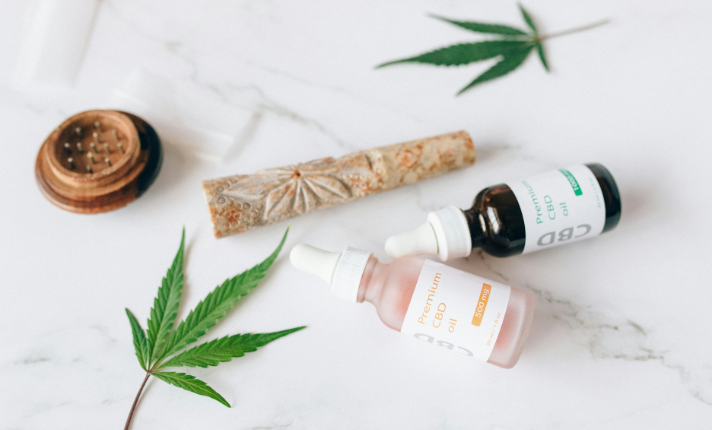
“Natural”, “Organic,” and “Pure” skincare products have always been advertised as such; however, they find themselves now facing an increasingly negative response from the market. Due to numerous complaints made by consumers about experiencing skin irritations after using these products, many different health authorities have started their investigations into several of these so-called “natural” oil-based brands due to reporting on the possibility that some oils may have been mislabelled or improperly formulated.
The products themselves are frequently based upon common oil varieties such as tea tree oil (Melaleuca), Lavender Oil (Lavandula angustifolia), Argan Oil (Argania spinosa), Rosehip Oil (Rosa canina), etc., and have become staples in the world of both cosmetics and skincare by serving as a means of moisturization, acne solution, or simply for use on hair.
In addition, they are viewed as mild/plant-based alternatives to manmade synthetic skincare products. Recently, dermatologists have begun to report having patients come to their offices with an unusual increase in the number of patients complaining that they developed various skin reactions to these so-called “natural” oils. Examples of these reactions are: redness, rashes, burning sensations, and chemical-like reactions.
For many consumers, the situation feels like a betrayal of trust.
Complaints Begin to Surface
The customer experience became publicized when people began to post their experiences to the internet about applying “100% Pure” Castor Oil, resulting in swollen eyelids, and applying “Organic” Essential oils, resulting in severe facial irritation; this post quickly went viral on social media outlets.
As this issue continued to grow, a pattern was identified by dermatology offices that saw many patients bringing in bottles of oil stating they were “cold pressed” and/or “therapeutic grade.” Upon further investigation, many of the products contained no adequate label for transparency of their ingredients and appeared to also be diluted using unknown/additional ingredients.
“My patient thought she was applying pure Jojoba oil,” stated a dermatologist. “But, after the labs ran testing, it was found to contain synthetic fragrances.”
For individuals with sensitive skin, even small undisclosed additives can trigger strong reactions.
What Investigators Found
Preliminary investigations suggest several possible causes behind the irritation complaints: Undisclosed synthetic additives are mixed into products labeled as pure. Improper dilution of essential oils, making them too concentrated for safe skin use. Contamination during production or packaging. Incorrect plant species used, leading to unexpected allergic responses. Oxidized oils, which can become irritating when expired or poorly stored.
Essential oils, in particular, are highly concentrated extracts. When applied directly to the skin without proper dilution, they can cause burns or allergic contact dermatitis.
Experts say some companies may have failed to follow proper formulation guidelines or misrepresented the purity of their ingredients.
The Problem with “Natural” Labels
Many cosmetic products and natural oils, unlike prescription medications, do not go through strict pre-market approval processes. The term “natural” is not generally defined or regulated in many regions of the world.
This means a product that is labeled as “pure” or “organic” can be considered as such without meeting strict certification standards unless there is an approved third-party seal.
Consumer advocates argue that the use of vague marketing terms can lead consumers to believe they are safe when, in fact, they are not. Most consumers think of natural being synonymous with gentle, when, in actuality, this is not always true.
“Poison ivy is natural,” one skincare expert pointed out. “Natural doesn’t automatically mean safe for your skin.”
Real-Life Impact on Consumers
For those affected, the consequences have been more than just minor irritation. Some consumers report lingering hyperpigmentation and sensitivity that lasted weeks after discontinuing use.
One customer described applying a “100% pure” tea tree oil to a small acne spot, only to wake up with blistering skin. Another said a lavender oil product left her scalp inflamed and peeling.
Parents have also expressed concern after children developed rashes from oils used in homemade skincare remedies.
Doctors say most reactions resolve with proper treatment, but repeated exposure can increase the risk of developing long-term sensitivities.
Industry Response
Some companies named in complaints have issued statements defending their products, saying they comply with cosmetic labeling regulations. Others have announced internal reviews and voluntary batch testing.
Regulators are now examining whether certain brands violated labeling laws by failing to disclose full ingredient lists.
Retailers are reportedly reviewing supplier documentation and may remove products that cannot verify ingredient sourcing or purity claims.
What Consumers Should Do
When using natural oils, dermatologists recommend taking additional precautions, including the following:
Always do a patch test prior to applying them to your skin all over.
Make sure that you blend any essential oils with carrier oils before applying them as recommended.
Do not put essential oils on your skin without mixing them (pyrogens are extremely concentrated).
Look for credible certification seals on topical oil products (i.e., Therapeutic Almond Oil) prior to purchase/use.
Store all oils away from sunlight and excessive heat (i.e., room temperature or cooler) to prevent oxidation.
If you experience any irritation from the product, discontinue use immediately and consult a healthcare provider if any adverse symptoms persist.
A Wake-Up Call for Transparency
Widespread discussions concerning beauty industry transparency have been renewed as a result of the lapses described above. Industry analysts have also expressed that as people become more interested in clean and natural products, additional oversight and more clearly defined labeling standards may be warranted.
To a large number of consumers, natural oils are an expression of purity and trustworthiness — returning to the source when it comes to body care. These developments remind us that even plant-based materials need to be developed and then advertised honestly.
Investigation will continue through various health officials, and it is important for shoppers to stay educated and be vigilant in the purchase of any beauty product, as when it comes to body care, the manner of truth is just as important as the truth itself.
