


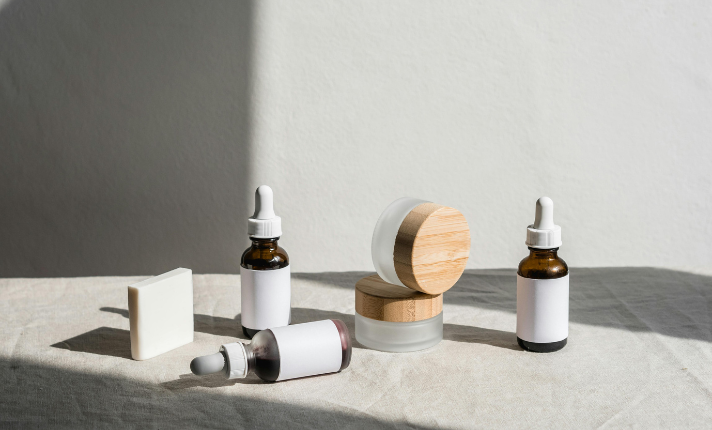
Health authorities have launched an urgent investigation after illegal preservatives were detected in several popular imported skincare products, prompting recalls and raising fresh concerns about cosmetic safety standards. The affected items, which include facial creams, serums, and moisturizing lotions, were widely available through beauty retailers and online platforms before being flagged during routine testing.
Regulators confirmed that laboratory analysis revealed the presence of preservatives that are either banned or restricted under national cosmetic safety laws. Officials are now working to remove the products from store shelves and prevent further distribution.
What Was Discovered
The problem was first exposed when regulators in random samplings found preservatives not identified as within the product ingredients. Some identified products exceeded legal amounts for certain chemical ingredients. Others had chemicals that were entirely prohibited to be used on cosmetics.
Some of the preservatives identified were those associated with skin sensitizing as well as the potential for long-term health issues. Some chemicals are banned because they can create formaldehyde over time while some others are associated with allergic contact reactions or disrupt hormones.
“This is a clear violation of safety standards as the preservatives were not approved by the regulatory authority for use in cosmetics in the country,” said an agency spokesperson. “They are not allowed to be used in cosmetics.”
No businesses involved in this investigation have been confirmed by authorities but they did confirm that many other companies who imported products would be investigated as well.
Why Preservatives Matter
Skincare products contain preservatives to stop bacteria and fungi from developing in them, because without them, creams or lotions would be spoiled very quickly and have a number of health risks associated with their use. The preservatives are regulated by the laws governing cosmetics; only select preservatives are allowed for use in cosmetics, and they must be used in accordance with the maximum levels stated in law.
While some preservatives are lower-cost and more effective alternatives to the allowable preservatives, they may pose an increased risk of skin irritation and other negative reactions to individuals who use them.
According to dermatologists, repeated use of certain harsh preservatives can lead to damage to the skin barrier, resulting in the skin becoming irritated, dry, or sensitive, and allergic contact dermatitis can develop for individuals who have had prolonged exposure to preservatives, which could continue to exist even after they stop using the preservatives.
Consumer Complaints Spark Further Review
While the illegal preservatives were discovered during laboratory testing, some consumers had already reported unusual skin reactions linked to certain products. Complaints included persistent itching, burning sensations, rashes, and swelling after application.
One customer described using a popular imported face cream for several weeks before noticing increasing irritation. “I thought it was just my skin adjusting,” she said. “But it kept getting worse.”
Medical professionals say such symptoms can occur when products contain sensitizing preservatives at high levels.
Regulatory and Retail Response
Following the findings, regulators issued formal warnings and began coordinating with retailers to remove affected products from shelves. Importers are now required to provide documentation verifying compliance with cosmetic safety laws.
Retailers have been advised to halt sales immediately and notify customers where possible. Some companies have announced voluntary recalls and pledged to cooperate with authorities.
Officials are also reviewing import inspection processes to determine whether additional safeguards are necessary to prevent similar cases in the future.
The Challenge of Imported Cosmetics
The global beauty market has expanded rapidly, with consumers increasingly purchasing skincare products from international brands. While many imported products meet safety standards, experts say differences in regulatory frameworks can create gaps.
Certain preservatives permitted in one country may be banned in another. Without thorough review at points of entry, non-compliant products can slip into domestic markets.
Online sales further complicate oversight, as consumers may purchase directly from overseas sellers without realizing that the product has not been evaluated under local safety regulations.
Potential Health Risks
Although Cosmetic Dermatology sees moderate to mild side effects overall from repeated use of certain preservatives (i.e.the following), the health risks should not be dismissed:
Allergic Reactions and/or Inflammatory Responses of the skin, Endocrine ACTIVE Compounds Causing Hormonal Disruption, Increased Sensitivity to Light Exposure, Carcinogenic Risk in Extreme Cases. Although not every user may experience these symptoms, preventive removal of products should be taken.
What Consumers Should Do
Consumers are advised to check official recall notices and review ingredient lists carefully. If they experience unusual irritation or reactions, they should discontinue use immediately and consult a healthcare provider if symptoms persist.
Experts recommend purchasing skincare products from reputable retailers and being cautious when buying imported cosmetics from unofficial online sellers.
Ongoing Investigation
Regulatory authorities are still testing additional batches of these imported personal care products. Also being evaluated is whether additional enforcement action will be necessary for non-compliance by the Importer. Fines, seizure of products, or suspension of importing licenses could be imposed upon non-compliant Importers.
The recent discovery of chemicals (illegal preservatives) in very well-known imported personal care product lines serves as a reminder of the importance of stringent quality control processes and regulatory oversight.
Regulatory Agencies have stated their priority, as investigations continue, is to ensure that all products marketed as used daily for skincare comply with safety standards, and therefore protect the health of the consumer.
