


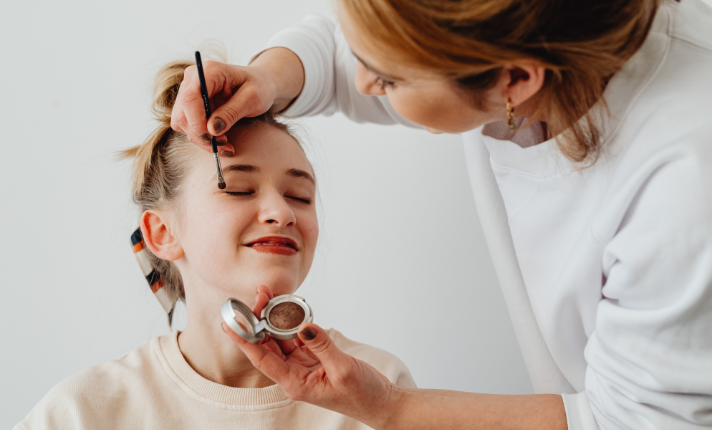
Brightly colored packaging, animated characters, fruity odors — beauty products made for kids have become a rapidly expanding segment of the overall personal care product market. What many parents thought were just supposed to be fun, harmless items, however, are now raising many health-related concerns. Numerous dermatologists and pediatricians have noted increases in both allergic reactions and rashes from children using these products made especially for children.
From glittery lip glosses and perfumed body sprays to age-appropriate face masks and play-sized cosmetics, these products are usually described as “gentle” and “safe for young skin”. However, more than one person has expressed complaints about some formulations being too strong for their child’s sensitive skin.
A Rise in Skin Reactions
In recent months, pediatric clinics have seen a rise in cases of redness, itching, and swelling related to the use of cosmetics or skin care products by children that resulted in contact dermatitis. One parent explained that he found his child’s eight-year-old daughter with a rash around her mouth after using lip gloss as part of a children’s cosmetics kit. “What looked like a harmless product to me resulted in my daughter developing a rash all around her mouth after applying it in the afternoon, and her lips were very irritated and swollen later that day,” she said.
In another case, a parent reported that their child broke out in hives after she used scented body spray once and developed hives on her arms and neck immediately after.
Many of these reactions to these types of products are consistent with contact dermatitis/allergic contact dermatitis, which occur when your body’s immune system reacts to a foreign substance (chemical, ingredient, etc).
Why Children’s Skin Is More Vulnerable
According to pediatric dermatologists, children’s skin is generally thinner and more delicate than that of adults. This means that it is also more readily able to absorb substances as well as have a less developed immune system response, making it more likely to react to irritants.
“Not all products marketed toward children are made with children’s sensitive skin,” says one pediatric dermatologist. “Fragrance, dye, and preservatives can all lead to a reaction.”
There are many products in the children’s body care category that contain artificial fragrance, colourant, or glitter. While these components may make the product appealing, they may also contribute to a higher incidence of irritation when used frequently.
Common Culprits Behind the Reactions
Preliminary reviews of reported cases suggest that certain ingredients are frequently linked to reactions, including:
Synthetic fragrances
Artificial color dyes
Preservatives such as methylisothiazolinone
Glitter particles causing mechanical irritation
Flavoring agents in lip products
In some cases, products were labeled as “hypoallergenic,” but still contained potential allergens. Experts note that the term “hypoallergenic” is not always strictly regulated, meaning it does not guarantee a product is allergy-proof.
Social Media and Growing Demand
The popularity of children’s beauty products has grown alongside social media trends and influencer culture. Young children are increasingly exposed to beauty routines through online videos and advertisements.
Toy stores now carry mini makeup sets, spa kits, and scented skincare lines designed to mimic adult products. While many parents see these items as harmless play, dermatologists caution that children’s skin may not tolerate cosmetic ingredients as well as adults’.
“We’re seeing kids as young as six using products that weren’t designed for developing skin,” one pediatrician noted.
Manufacturer and Retail Response
To address the reports, some companies are looking at the ingredients in their products and recalling certain batches of products. While others believe their products are safe and appropriate under current cosmetics rules and regulations.
Reports indicate retailers have implemented stricter monitoring of customer complaints and a review of supplier documentation. While consumer advocates continue to lobby for stricter testing requirements specifically for products being sold to children.
“Children’s products ought to have a higher level of safety than the minimum threshold for adults,” said the representative from one advocacy group.
What Parents Should Watch For
Health experts recommend that parents approach children’s beauty products cautiously. Signs of an allergic reaction may include:
Redness or rash
Swelling of lips or eyelids
Persistent itching
Dry, cracked skin
Small blisters or bumps
If symptoms appear, parents should discontinue use immediately and consult a pediatrician if irritation persists or worsens.
Doctors also advise performing a patch test before allowing children to use new skincare or cosmetic products. Applying a small amount to the inside of the wrist and waiting 24 hours can help detect potential reactions.
A Broader Conversation About Marketing
Recent reports have mentioned challenges with beauty products marketed for children. Some experts say kids’ skin is only really in need of mild soap and basic moisturizer at this age, and therefore, there isn’t really a need for a beauty product for kids.
Additionally, advocates want clearer labeling standards, no fragrance products, more government oversight of kids’ beauty products, etc.
Creative play and fun are very appealing to many parents regarding beauty products; however, there have been many reports over the last few years that children’s skin is not merely a smaller version of adult skin, but rather, it has different needs.
Moving Forward
Regulatory agencies say they are monitoring reports and may conduct additional testing if complaints continue. In the meantime, healthcare professionals encourage parents to prioritize simplicity when it comes to children’s skincare routines.
While most reactions reported so far have been mild and treatable, experts emphasize that prevention is key. A colorful package may look playful and safe, but ingredient awareness remains essential.
As the children’s beauty market continues to expand, parents and regulators alike are being reminded that safety should always come before sparkle.
