


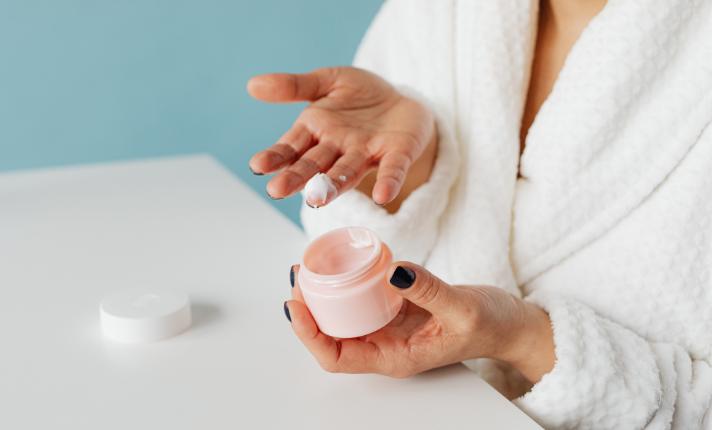
What promised smoother skin and fewer wrinkles has instead left some consumers with painful rashes, swelling, and long-term skin damage. Health authorities are investigating a surge in counterfeit “anti-aging” creams after multiple reports linked the fake products to severe skin reactions.
The creams, often marketed online as luxury or dermatologist-approved formulas at discounted prices, were found to be imitations of well-known skincare brands. While the packaging appeared convincing, laboratory tests revealed that some contained unknown or harmful ingredients.
For many buyers, the experience has been both physically painful and emotionally frustrating.
Reports of Unexpected Reactions
Dermatology clinics began noticing a pattern when patients arrived with similar symptoms: intense redness, burning sensations, peeling skin, and in some cases blistering. Several individuals said they had recently started using a new anti-aging cream purchased online through a third-party seller.
One woman described applying the cream before bed, expecting to wake up to hydrated skin. Instead, she woke with a swollen face and patches of irritated skin. “It felt like my face was on fire,” she said.
Doctors initially suspected allergic reactions. However, when patients brought in the products, subtle differences in packaging and labeling raised red flags.
What Investigators Discovered
Authorities tested samples of the suspected creams and confirmed that they were counterfeit versions of reputable brands. The formulas did not match the authentic products.
Some counterfeit creams contained excessive levels of active ingredients such as retinoids, which can cause chemical burns when used improperly. Others were found to include topical steroids not listed on the label — substances that can thin the skin and cause long-term damage if misused.
In a few alarming cases, trace amounts of mercury were detected, a substance banned in cosmetic products in many countries due to its toxicity.
“These were not just ineffective copies,” one regulatory official said. “They were potentially dangerous.”
Why Counterfeit Skincare Is So Risky
Unlike legitimate cosmetic manufacturers, counterfeit producers do not follow regulated safety standards. Products may be made in unsanitary conditions, stored improperly, or formulated with cheap, harmful substitutes.
Anti-aging creams are particularly risky targets for counterfeiting because they often contain active ingredients designed to penetrate the skin. When those ingredients are unregulated or improperly balanced, the skin barrier can be compromised.
Consumers may experience:
Severe redness and inflammation.
Chemical burns.
Thinning of the skin.
Breakouts or acne flares.
Long-term sensitivity.
In some cases, steroid-laced creams can cause dependency-like effects, where skin worsens once use is stopped.
The Role of Online Marketplaces
Investigators say many counterfeit creams were purchased through online platforms offering steep discounts. Fraudulent sellers often use professional-looking photos and fake customer reviews to appear legitimate.
Some websites closely mimic official brand pages, making it difficult for consumers to spot the difference.
Luxury skincare products are especially vulnerable to counterfeiting due to their high price points and strong demand.
Industry and Regulatory Response
Authorities have issued public warnings and are working to remove counterfeit listings from online marketplaces. Several brands have also released statements advising customers to purchase only through authorized retailers.
Some companies are introducing enhanced packaging features, such as QR codes and tamper-evident seals, to help consumers verify authenticity.
Law enforcement agencies are investigating the supply chains behind the counterfeit products, though international operations can make prosecution challenging.
How Consumers Can Protect Themselves
Experts recommend taking extra precautions when buying skincare products online:
Purchase directly from official brand websites or authorized retailers.
Be wary of prices significantly lower than retail value.
Check for spelling errors or packaging inconsistencies.
Verify batch numbers when possible.
Avoid sellers without verified customer service information.
If a product causes unusual irritation, consumers should stop using it immediately and consult a dermatologist.
A Costly Lesson in Trust
For many affected individuals, the experience has shaken their confidence in online beauty shopping. Anti-aging products often represent both financial investment and personal hope — hope for smoother skin, restored confidence, or visible rejuvenation.
When those expectations are replaced by painful reactions, the disappointment runs deep.
Health officials emphasize that while counterfeit products pose serious risks, authentic skincare purchased from reputable sources remains generally safe when used as directed.
As investigations continue, authorities urge consumers to prioritize safety over savings. Because when it comes to products applied directly to the face, authenticity is more than a label — it’s protection.
