


Settlement Marks Major Step in Long-Running Legal Battle
On February 2026, the Brazilian company Natura & Co., one of the largest Brazilian companies in the beauty segment, announced that it would pay $67 million in settlement amounts as a result of claims arising from class actions filed against its Avon subsidiary. The claims allege that Avon’s talcum powder products were contaminated with asbestos.
The settlement also concludes an important stage in litigation for everyone involved, but does not include any admission of liability. Over the years, thousands of individual claims have been filed against Avon for health concerns related to talcum powder use, including ovarian cancer, as well as for mesothelioma, a rare form of aggressive cancer caused by exposure to asbestos.
Allegations Surrounding Talc and Asbestos
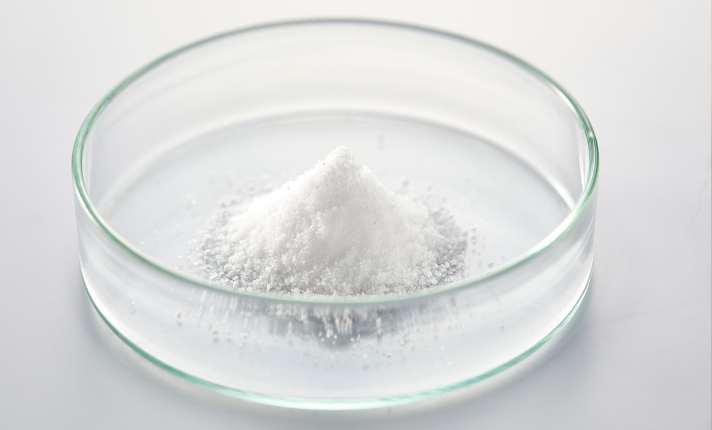
The mineral talc is often found in cosmetics because of its ability to absorb moisture. However, because talc and asbestos can be found in nature together, the health concerns surrounding this product have been under investigation for many years. If talc is mined or processed improperly, it can be contaminated with asbestos, a known carcinogen.
Plaintiffs in lawsuits connected to Avon claim that some talc-based body powders that were sold to the public many years ago may contain trace amounts of asbestos. Many of these plaintiffs claim that they used the products for their hygiene and later developed cancer. The plaintiffs also state that they were never given any notice of possible contamination with asbestos.
For many families of people with a cancer diagnosis, the courtroom battles have become very personal. Some of the plaintiffs testified to their confidence in the brand because they had used the product for years and were unaware of the possible dangers.
Company Response and Legal Strategy
The acquisition of Avon’s parent company by Natura & Co. (Natura) in 2020 was noted because it fits into Natura’s plans for resolving long-standing legal issues and focusing on their future business growth. Natura stated that their products were safe at the time of sale and complied with all regulatory requirements.
According to Natura’s attorneys, they chose to settle these claims as a business decision and not as an admission of any liability. By settling these cases, Natura avoided further legal disputes and costs associated with litigation.
Madison & Davidson, along with many other manufacturers of cosmetic and pharmaceutical products, have faced similar lawsuits regarding talc-containing products. Although there have been large jury awards in some of these cases, many have been dismissed or settled without jury involvement. The $67 million settlement is also part of Natura’s plan to eliminate any ongoing financial uncertainty surrounding these claims.
Broader Industry Implications
The talc controversy has had ripple effects across the beauty industry. Consumer concerns about ingredient safety have grown significantly, prompting many brands to reformulate products or shift toward cornstarch-based alternatives.
Regulatory agencies in several countries have also increased scrutiny of talc sourcing and testing procedures. Manufacturers are now under greater pressure to ensure mineral purity and conduct more transparent safety testing.
Industry analysts note that although many of the talc-related products at issue were sold years ago, the financial consequences continue to surface. For multinational companies like Natura & Co., legacy liabilities from acquired brands can pose long-term challenges.
Voices From Both Sides
Plaintiffs’ lawyers have hailed the settlement as an important step toward holding persons accountable. Although there was no disclosure of the individual amounts that plaintiffs will receive, experts agree that, typically, the amount of money awarded in these types of cases is based upon the severity of an individual’s illness and the quality of the supporting documentation.
The clients of the plaintiffs will receive some sense of closure by virtue of this settlement after years of litigation. Some advocates, however, believe that additional comprehensive regulatory reform is required to prevent the occurrence of this problem in the future.
Natura & Co. also reiterated its commitment to the health and safety of its products and their quality standards. The company noted that product formulation and sourcing methods used today are very different than those used many years ago when many of these products were manufactured.
Financial and Market Impact
Following the announcement, market analysts observed a cautious but stable reaction from investors. Large settlements can strain company finances, but resolving long-standing litigation often removes uncertainty that weighs on stock performance.
Natura & Co. has been restructuring in recent years, focusing on core brands and streamlining operations. By settling these claims, the company may be aiming to clear legal obstacles that could hinder future expansion or strategic partnerships.
What This Means for Consumers
The settlement does not require consumers to take any immediate action unless they are part of the legal claim group. However, the case serves as another reminder of the evolving standards around cosmetic safety and ingredient transparency.
Health experts continue to stress that current cosmetic regulations are stricter than in previous decades, and modern testing protocols are more robust. Still, public trust can be fragile when safety concerns surface — especially when they involve products marketed for daily personal use.
As the legal dust begins to settle, the talc litigation chapter underscores a larger shift within the beauty industry: consumers are demanding clearer answers about what goes into their products and how those ingredients are sourced.
For Natura & Co. and Avon, the $67 million settlement may close one door, but it also highlights the lasting impact of product safety controversies — even years after the products themselves have disappeared from store shelves.
