


Beauty Giants Push Back Against New Trade Measures
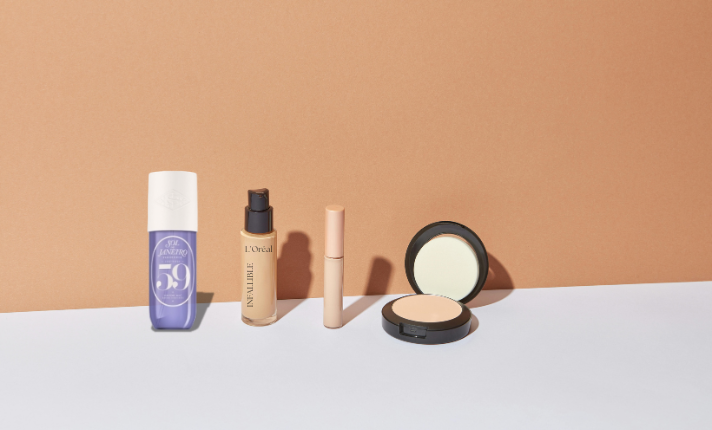
L’Oréal, a leading cosmetics company in the world, and Sol de Janeiro, a rapidly expanding body care brand, have joined forces to file a federal Court Action against newly introduced Tariffs that they allege are “unconstitutional as well as detrimental to the economy of the Beauty Industry”.
In their Court Action, L’Oréal and Sol de Janeiro request an injunction prohibiting the imposition of tariffs on certain imported Cosmetic Ingredients and Finished Products. Both brands contend that these new Duties are an excessive expansion of Executive Authority and impose an unreasonable burden upon Companies with Global Supply Chains, resulting in increased Operational Costs and higher Retail Prices for U.S. Consumers.
This case represents the largest Degree of Legal Challenge from the Beauty Industry as a response to recent Trade Policy Changes.
What the Tariffs Target
The subject tariffs affect various categories of imported products, such as specialty ingredients used in cosmetic and fragrance formulations, along with a few specific finished cosmetic products that were manufactured outside the United States. As a multinational corporation operating production facilities in Europe, Asia, and Latin America, cross-border trade is essential to L’Oréal’s business model.
Sol de Janeiro, which has branded its body creams and fragrances as being Brazilian-inspired, also uses international sources for the majority of its key ingredients. They argue that these tariffs will disrupt their established supply chains and will impose sudden cost increases that were not built into their long-term contracts.
In their filings, the companies assert that the tariffs were created without the proper authorization of Congress, thereby violating the constitutional limits of executive trade authority, and despite having very little justifiable economic basis, these tariffs disproportionately affect industries reliant on imported raw materials.
Economic Impact on the Beauty Industry
Analysts note that the allegations noted above indicate an increased level of concern amongst analysts within the cosmetics industry as well as among analysts who follow the broader home and personal care industries due to the globalized nature of many beauty brands whereby a raw material may be sourced from one part of the world, manufactured in another part of the world, and distributed to consumers all over the globe.
Tariffs imposed on specialty chemicals, botanical extracts, glass packaging, or luxury components can lead to rising production costs relatively quickly; while some manufacturers may absorb part of these added costs, this sustained increase in tariffs will ultimately result in price increases for the consumer.
Retailers have already reported minor price increases for many categories within the premium skincare and fragrance segments. The executives of both companies contend that increasing costs will ultimately impact the everyday consumer, particularly with continued inflationary pressures affecting household budgets.
In L’Oréal’s case, it is estimated that just marginal increases in costs (wages, packaging, etc.) can add up to millions of dollars of added expenses to one of the largest cosmetic companies in the world. L’Oréal’s competitor, Sol de Janeiro, is a much smaller company but has been/in will continue to experience accelerating growth and may suffer from both increased costs due to tariffs as well as delays in their intended growth and increased hiring plans due to tariffs in the future.
The Legal Argument
At the center of the lawsuit is the claim that the executive branch exceeded its constitutional authority by imposing broad trade restrictions without adequate legislative oversight. The companies argue that trade powers granted under emergency economic statutes were misapplied in this instance.
Legal experts note that constitutional challenges to tariffs are relatively rare but not unprecedented. Courts typically grant wide discretion to the executive branch in matters of trade policy, particularly when national economic interests are cited. However, businesses can challenge whether the proper procedures were followed or whether statutory authority was stretched too far.
If successful, the lawsuit could limit the scope of future tariff actions or force a revision of the current measures. If dismissed, it may reinforce broad executive authority over trade decisions.
Government Response
Officials defending the tariffs have stated that the measures are designed to protect domestic manufacturing and reduce reliance on foreign suppliers. They argue that encouraging local production strengthens national economic resilience and supports American jobs.
Critics, however, say the beauty industry does not have a fully domestic supply chain capable of replacing certain specialized imports in the short term. Reformulating products or relocating manufacturing can take years and significant capital investment.
Industry-Wide Implications
The outcome of the case could ripple beyond cosmetics. Other sectors that rely heavily on imported raw materials — including fashion, electronics, and pharmaceuticals — are closely watching the proceedings.
For the beauty industry, the legal challenge signals a shift from quiet lobbying efforts to direct court action. Trade policy has traditionally been debated in political and economic circles, but companies are now increasingly willing to contest decisions through the judicial system.
Meanwhile, consumers may feel the effects most directly. If tariffs remain in place and cost pressures persist, price increases across skincare, fragrance, and makeup categories could become more noticeable in the months ahead.
What Comes Next
In the coming months, the case will resolve itself through preliminary hearings; both sides most likely will have economic and constitutional theoretical data for their respective positions. Trade law specialists indicate that there will be a long road ahead, and they believe that this case may even go up to the appellate courts, given the initial findings on the ruling.
In the meantime, L’Oréal and Sol de Janeiro are operating under their current tariff structure while also seeking relief through the courts. No matter the outcome, if the court sides with the companies or upholds the government’s authority, this case highlights just how closely intertwined global trade policy is with consumer products on an everyday basis, including the lotions, serums, and fragrances that can be found on bathroom shelves across the U.S.
While this legal battle continues, one thing is certain: the beauty industry will no longer sit idly by while policymakers pose a potential threat to their profit margins.
