


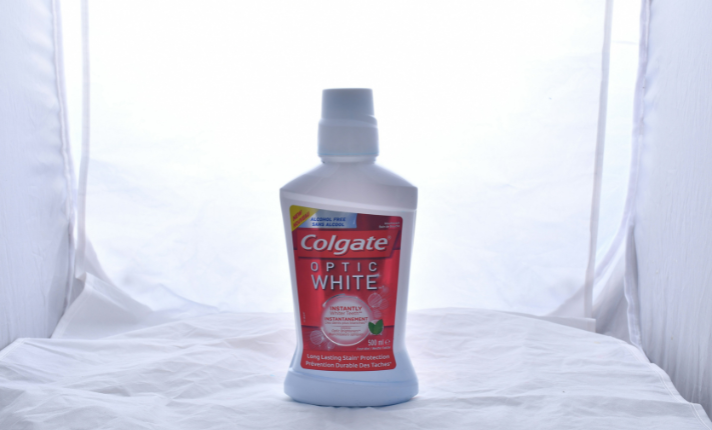
Parents File Lawsuit Over Trace Metal Concerns
Colgate-Palmolive Co., an international manufacturer of oral hygiene products, was sued in the federal district court this past November for allegedly failing to inform customers of trace levels of lead present in some of its children’s toothpaste. The plaintiffs are a group of parents claiming the company did not warn consumers of detectable levels of the heavy metal that were identified by an independent testing laboratory.
Colgate is one of the most prominent names in the field of dental care, producing many varieties of children’s toothpaste, including those marketed as being safe for children to use, with bright packaging and featuring popular cartoon characters. The lawsuit alleges parents expect that the products sold to maintain children’s oral hygiene would not contain contaminants that could cause harm to their children.
What the Lawsuit Claims
The plaintiffs in this matter assert that independently commissioned laboratory tests conducted on behalf of consumer groups have found trace amounts of lead in some children’s toothpaste. The plaintiffs contend that any amount of lead present in a product that is designed to be used every day by children creates a significant health risk. Lead is a heavy metal that is harmful to humans, and it can be stored in a person’s body for an extended period of time.
Low exposure levels of lead in children pose serious developmental and neurological risks. Furthermore, as toothpaste is used multiple times each day and could be ingested by children, the plaintiffs allege that it is crucial to provide consumers with information regarding the potential for contamination.
The plaintiffs’ lawsuit does not allege that there are serious health risks associated with lead concentration levels in Colgate’s toothpaste; however, it does allege that Colgate failed to provide appropriate information about the presence of lead in its toothpaste, as well as how trace amounts of lead might have gotten into the toothpaste.
Company Response
According to Colgate, no illegal activity has been committed by them. They stated publicly that all of their goods abide by applicable regulatory requirements for safety and have been rigorously tested to verify that they meet government guidelines.
The company stated that naturally occurring trace levels of heavy metals can be detected in both mineral-origin materials and sources of water, despite being found under stringent safety criteria. In this regard, regulatory agencies establish acceptable maximum levels of contaminants because it is typically impossible to effectively eliminate complete trace environmental materials.
Colgate maintains that the levels detected fall well below established safety limits and do not pose a health risk.
Industry and Regulatory Context
Experts in toxicology explain that trace amounts of heavy metals can occasionally appear in consumer goods due to naturally occurring environmental sources. Regulatory agencies set maximum permissible limits to ensure that exposure remains within safe margins.
However, children’s products face particularly intense scrutiny because of the vulnerability of young users. Parents tend to be highly sensitive to ingredient disclosures, especially when it comes to potential toxins.
Legal analysts say the case may hinge on whether the detected levels exceeded regulatory thresholds and whether Colgate had any obligation to disclose trace amounts that fall within allowable limits.
Consumer Reaction
News of the lawsuit quickly spread online, prompting some parents to question the safety of their children’s oral care products. Social media discussions reflected a mix of concern and confusion, with many asking how trace contaminants are monitored and regulated.
Consumer advocacy groups have called for clearer labeling and increased transparency, even when contaminant levels are technically within safe limits. They argue that informed parents should have access to complete information when choosing products for their children.
What Happens Next
According to the case, there are so far no rulings or decisions by judges on the claims being made against the defendants. If this case continues forward, there are many ways that further testing results could come out, as well as possible changes to product labeling and possible settlement agreements.
For now, dental health professionals are recommending that parents continue to watch their children brush their teeth closely, and make sure that only a small amount of toothpaste (about the size of a pea) is used during the operation. They also suggest that parents discuss any questions or concerns related to the safety of the product(s) they are using with their child’s doctor or dentist.
As the case progresses through the courts/administrative processes, it demonstrates how difficult it is for companies that manufacture products for children to maintain consumer trust while still remaining in compliance with all regulatory requirements. Even small amounts of proven contamination could create significant public controversy regarding products intended for children, so manufacturers need to not only balance legitimate science with public perception in developing the product’s safety.
