


Consumers Claim Shampoo Bottles Mislead Buyers
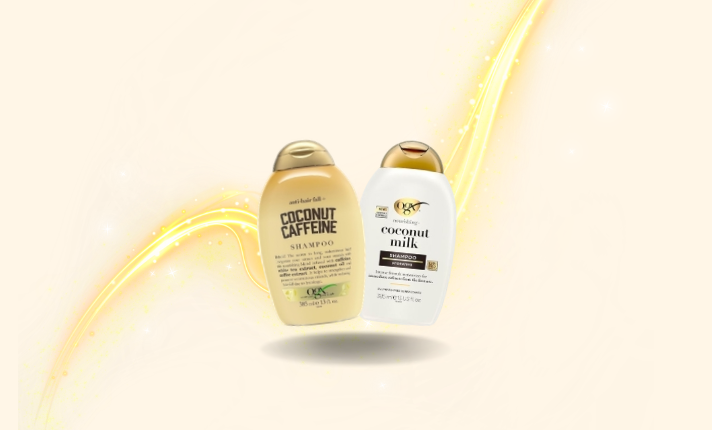
A consumer lawsuit filed in November 2025 claims the hair care line OGX uses deceptive packaging methods (known as “slack fill”). In the lawsuit, plaintiffs contend that certain shampoo and conditioner bottles from the OGX brand are deceptively larger than the actual volume of product contained within them and that there is an excess of space within the bottle itself.
Slack fill is defined as the space remaining in the container of a product that is not filled by the product. There are valid reasons for leaving slack fill in a container, such as for product settling or functionality; however, the lawsuit claims that OGX’s manufacturing practices exceed what would reasonably be considered acceptable and may cause consumers to think they have received more product than they really have.
What the Lawsuit Alleges
In their lawsuit, the Plaintiffs claim that OGX shampoo/conditioner bottles are made of thicker plastic and have curvy shapes; thus, they tend to give a visual perception that the bottles are larger than they actually are. When the bottles are opened or weighed, the Plaintiffs allege that consumers will see a considerable amount of air in the bottles, rather than shampoo or conditioner.
The Plaintiffs’ complaint states that consumers consider bottle size/packaging when deciding whether to purchase them, especially where bottles for competing brands are lined up next to one another on a retail shelf. The Plaintiffs also state that because of the size of the OGX bottles, they can charge a higher price per bottle for the same (or less) quantity than that charged by competing brands.
The lawsuit accuses OGX of engaging in false and misleading advertising, seeks restitution to consumers, requires OGX to change its labels, and seeks other forms of relief.
Understanding Slack-Fill Regulations
Under U.S. packaging regulations, nonfunctional slack-fill — meaning space that serves no legitimate purpose — can be considered misleading. However, manufacturers are allowed to include space if it protects the product, accommodates settling during shipping, or serves other functional needs.
Industry experts note that packaging for personal care products often includes headspace to allow for proper dispensing, prevent leaks, and manage pressure changes during transport. Determining whether space is “functional” or deceptive often becomes the central issue in slack-fill lawsuits.
Legal analysts suggest the court will examine whether the amount of unused space inside OGX bottles is reasonably necessary or if it primarily creates a misleading visual impression.
Company Response
As of the lawsuit’s filing, OGX’s parent company has not admitted wrongdoing and is expected to defend its packaging design as compliant with regulatory standards. Companies facing similar claims in the past have argued that net volume — clearly stated on product labels — is the most accurate measure of product quantity.
Indeed, consumer goods packaging typically displays the exact fluid ounces or milliliters contained inside. Defendants in slack-fill cases often assert that reasonable consumers rely on these measurements rather than bottle size alone.
Still, plaintiffs argue that in real-world shopping conditions, many customers make quick decisions based on visual cues, not detailed label reading.
Broader Implications for the Beauty Industry
The lawsuit represents a larger trend of slack-fill litigation against food, beauty, and personal care companies. Recently, many other companies have been sued for similar reasons due to the way they package products to make them look like they cost more.
With inflation impacting consumers’ budgets, consumers are now more aware than ever about how much they are getting for their money and what they are paying for it. Advocacy groups believe that consumers need to know exactly what they are buying.
Retail analysts have shown that packaging design has a significant impact on the promotion of products. Packaging can make items more visible on store shelves by using unique shapes, heavy bases, and bold curves. Yet when the visual elements are seen as false advertising and deceptive, there may be legal repercussions.
What Happens Next
No ruling has been made on the merits of the case, as the case is still outstanding. If the case does proceed, OGX may try to move to dismiss the case by arguing that the amount is properly disclosed and that the space serves a legitimate purpose.
If the plaintiffs win, it could lead to financial compensation, package redesigns, or the requirement for better labeling standards.
Consumers should also remember that they need to check the net volume of a product before relying on its size, especially if it is a “pretty” package, because the manufacturer measures the value of the item according to the amount of liquid in the package.
The outcome of the case may ultimately alter how manufacturers of beauty products design packages in the future.
