


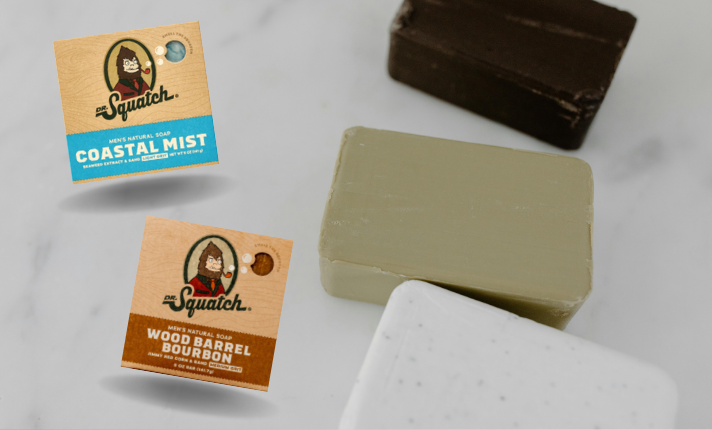
In early 2025, men’s grooming brand Dr. Squatch found itself at the center of a heated online debate after unveiling a limited-edition soap tied to actress Sydney Sweeney. Marketed with tongue-in-cheek humor as a “bath water–inspired” product, the campaign quickly went viral — but not without sparking accusations of poor taste and questionable marketing ethics.
A Campaign Designed to Shock
Dr. Squatch has created a unique brand personality based primarily on bold, meme-inspired marketing that attracts young men. The company is recognised for employing humour in its advertising campaigns through parodying current masculinity stereotypes, as well as creating advertisements associated with Internet culture; therefore, it is not unusual for Dr. Squatch to have controversies surrounding its marketing activities. This campaign, however, went even further than many anticipated.
The promotional advertisement contained exaggerated depictions of spa settings, silly narrations, and theatrical close-up shots of a limited edition soap product. The product description used farcical humour to suggest that the soap captured the “essence” of a particular actress in a way that parodies a trend in viral Internet videos where people collect the bathwater of celebrities.
This product was presented by the brand as a satire as a novelty item for amusement purposes; however, the use of “bathwater” as an expression by itself immediately began to generate activity on social media.
Social Media Erupts
The day of the announcement, videos from the campaign reached popular social media platforms, including TikTok, Instagram, and X. Many viewers expressed amusement in the comments with praise for Dr. Squatch’s understanding of internet humor and how they took advantage of viral culture. Supporters of the campaign asserted that it was clearly intended as a joke in line with the brand’s existing tone.
On the other hand, many thought that the idea behind the campaign was distasteful and objectifying. Critics raised the question of whether or not connecting a real actress to such a sexually provocative idea crossed a line, regardless of the humorous intent. Some social media users commented that there should be some level of professionalism when a celebrity partners with a brand to create a product, especially if that celebrity is a working actress in popular culture.
Many who supported the campaign also had concerns about how younger viewers would interpret the campaign. Although Dr. Squatch primarily markets its products to adults, critics pointed out that viral content has the potential to reach people of all ages.
The Broader Cultural Context
The controversy did not emerge in a vacuum. Internet culture has previously seen viral moments involving novelty “bath water” products sold by influencers. Dr. Squatch appeared to reference that trend in a way designed to feel self-aware and ironic.
However, marketing experts point out that satire does not always translate clearly across all audiences. What one group sees as clever parody, another may view as uncomfortable or inappropriate. In today’s hyper-connected environment, campaigns are instantly dissected, meme-ified, and reframed — sometimes in ways that brands cannot control.
Some commentators suggested that the shock value was intentional. In a crowded grooming market filled with similar products and messaging, standing out often requires bold moves. By generating controversy, Dr. Squatch ensured its product would dominate online conversations for days.
Ethical and Branding Questions
The campaign also reignited debate about celebrity partnerships in the digital age. When humor relies on suggestive themes, brands must carefully navigate consent, image management, and public perception.
Reports indicated that the collaboration was approved and structured as a marketing stunt rather than an exploitation of the actress’s likeness. Still, critics argued that even consensual campaigns can influence how celebrities are perceived, particularly when tied to provocative humor.
From a branding standpoint, analysts questioned whether the short-term spike in attention would strengthen or dilute Dr. Squatch’s long-term credibility. While loyal fans may appreciate edgy content, more conservative consumers could be turned off.
Brand Response
In response to the growing backlash, Dr. Squatch released a statement emphasizing that the campaign was designed as a parody and that the product was professionally manufactured, safe, and compliant with industry standards. The company reiterated that it aims to bring humor into the personal care space and did not intend to offend.
The statement did little to silence debate but did clarify that no misleading claims were being made about the product’s ingredients or origins.
The Power — and Risk — of Viral Marketing
The “bathwater” soap controversy demonstrates that influencer advertising is constantly evolving as modern-day advertising increasingly mixes satire, shock value, and product marketing. When executed effectively, these strategies can create significant engagement at low cost and therefore generate great deals of goodwill towards a brand. On the other hand, if a campaign’s logic is flawed, there is potential for creating major reputational risk.
Nonetheless, the outcome of the campaign will ultimately be determined by more than just social outrage after the fact; it can be measured by evaluating the brand’s performance through sales and customer loyalty data over time.
One thing is for sure; in the year 2025, digital media is an extremely fast-moving environment, and so will be public criticism of many brands. Will Dr. Squatch’s campaign serve as a successful example of bold viral marketing, or will it become an example of the limitations of satire in a public forum?
