


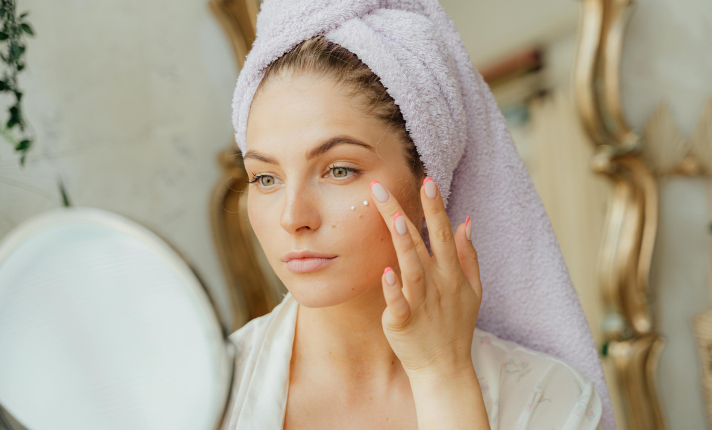
In January 2026, skincare brand Drunk Elephant unveiled a new marketing campaign explicitly aimed at adult consumers, signaling a strategic shift away from what many in the beauty industry have dubbed the “Sephora Kids” phenomenon. The move comes after months of online debate linking the brand to pre-teen shoppers frequenting stores operated by Sephora.
The Rise of “Sephora Kids”
In recent months, there have been many videos on social networks of tweens—young girls—buying high-end facial products at places like Sephora or Ulta stores. The trend, called “Sephora Kids,” led to concerns from many dermatologists and parents as to whether or not it is appropriate for children to use highly active ingredients typically designed for adults.
Drunk Elephant is a brand that generally has colored packaging and is well-known for being ingredient-focused in their formulations. Though Drunk Elephant does not advertise specifically to children, their bright, whimsical aesthetic and large social media following make them a popular retail option for young people.
Many of the criticisms about Drunk Elephant were related to the fact that promoting the brand to an underage consumer base could potentially create confusion around the brand’s image as a science-based skincare brand intended for adults.
A Deliberate Rebrand Toward Adults
As part of its January 2016 launch, Drunk Elephant has created an “Adult Skin, Adult Decisions” campaign in response to the increased attention to skincare concerns around fine lines, uneven textures, and long-term skin health — all of which will appeal to those 30 years old or older.
Creative materials for the campaign feature professionals between 25 and 40 years old and have less colour than past launches and show less playful imagery than previously did on Drunk Elephant’s social media channels. The new advertisements use a combination of neutral colours, clinical-style product images, and quotes from dermatologists.
Drunk Elephant has made public statements responding to the use of the term “skincare for adults” and also urges parents to seek assistance from a skincare professional before introducing any active ingredient into the daily regimen of a child.
Industry and Public Reaction
The campaign has received mixed reactions. Some consumers applauded the brand for addressing the issue head-on and reclaiming its identity. Dermatologists, in particular, welcomed the clarification, noting that certain ingredients — such as strong exfoliating acids and retinoids — are generally unnecessary for children without specific medical indications.
Others, however, questioned whether distancing itself from younger consumers was purely a branding move rather than a substantive policy change. Social media users pointed out that products remain widely accessible in stores and online, regardless of marketing language.
Marketing analysts say the campaign reflects a broader tension in the beauty industry. Viral trends often drive unexpected demographics toward products, leaving brands to navigate unintended audiences.
The Business Implications
Drunk Elephant has a lot at stake. The brand has worked hard to establish a reputation built on transparency and educating consumers about the ingredients they use. Being associated with “Sephora Kids” would likely risk alienating their long-standing adult customer base, who depend on the brand’s products for targeted skincare solutions.
Retail experts say that perception has a direct effect on how consumers make purchasing decisions. If adult consumers perceive that a brand is “too childish,” they may stop being loyal to the brand. On the other hand, if the brand goes to the opposite extreme of restricting itself from being sold to young people, it could potentially lose momentum with this young shopper group, who is currently driving growth for the brand.
By choosing to market to adults only, rather than using age restrictions, Drunk Elephant seems to be creating a good balance of letting consumers know who their target consumers are without eliminating the potential audience from their target market.
A Larger Beauty Industry Conversation
This situation reflects a continuing conversation around the culture of how many young people are exposed to complex skin care regimes. Many dermatologists have indicated that basic cleansing and moisturising products are normally enough to care for a pre-teen’s skin and cautioned against using active ingredients excessively due to the potential to weaken the developing skin barrier.
As beauty brands develop marketing strategies to appeal to consumers, there is a difficult balance to find in terms of being aspirational without promoting misuse of their products among consumers.
The Drunk Elephant campaign may help provide insight for other brands in similar positions. As social media continues to blur the lines of age, companies face a dilemma in determining the level of defined target market audiences.
Looking Ahead
Whether the adult-only marketing push successfully reshapes public perception remains to be seen. For now, Drunk Elephant has made its position clear: its products are formulated with adult skin in mind.
The January 2026 campaign signals not just a marketing pivot, but a broader reflection of how beauty brands respond when viral culture reshapes their audience in unexpected ways.
