


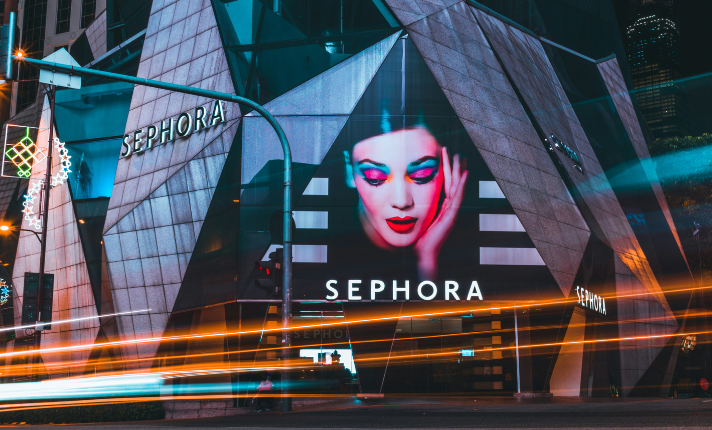
In 2025, global beauty retailer Sephora came under investigation by the office of a state attorney general amid allegations that it marketed anti-aging skincare products to children. The inquiry has raised concerns over ethical marketing practices, age-appropriate product placement, and the broader responsibilities of beauty retailers in protecting young consumers.
Allegations and Investigation
There is an ongoing investigation regarding Sephora’s in-store displays, social media promotions, and online promotions, which critics claim promote the sale of products such as retinoids, acids, and other ingredients designed for adult skin to pre-teens.
The attorney general has received complaints. The complaints allege that many minors and pre-teens do not understand that products with strong active ingredients pose a risk. Although these products are not illegal, marketing them to appeal specifically to minors could violate consumer protection laws in some jurisdictions.
Evidence gathered through the investigation indicates that the attorney general’s office is assessing whether Sephora’s use of labeling, advertising, and partnerships with social media influencers or other forms of advertising has contributed to the underage use of anti-aging cosmetics.
The Retailer’s Response
Sephora has expressed its commitment to the safety and well-being of all of its customers. In a short statement, Sephora stated that their products are designed for proper age groups and that they offer direction on safe use of their products.
“We are committed to responsible marketing and continue to evaluate our practices to meet both industry standards and regulatory expectations,” Sephora stated.
They’re also making an effort to better educate customers through product labels, online tutorials, and in-store assistance to help parents/guardians supervise purchases of skincare for minor children.
Public and Industry Reaction
News of an investigation regarding how children use anti-aging products spread quickly via social media, leading to parents, beauty fans, and industry observers sharing their opinions on whether it is dangerous for children to use these products based on concerns over potential skin irritation, sensitivity to long-term use, or misuse.
There are arguments that children are not using skin-care products for anti-aging, but rather because they enjoy taking care of themselves and their skin. The influence of any product on the state of youthfulness is primarily done through influencer marketing and social media platforms like TikTok or Instagram.
Industry analysts predict that the case will lead to continued discussion about age-appropriate marketing in beauty due to the increasing use of social media marketing campaigns to reach customers who are not of age to legally purchase or use a product based on their age, no matter how much the platform tries to deny that fact in its guidelines.
Ethical Considerations
Marketing experts highlight the delicate balance retailers must maintain between promoting products and safeguarding vulnerable populations. Anti-aging skincare products often contain ingredients that require careful application, and misuse can lead to irritation or adverse reactions.
The controversy underscores the ethical responsibility of brands to ensure that promotional campaigns are not inadvertently targeting children. Experts suggest implementing clearer age guidelines, limiting advertising to adult audiences, and offering educational content to guide proper use.
Legal Implications
If the attorney general’s office finds evidence that Sephora’s marketing practices violated consumer protection laws, the company could face fines, mandated changes to advertising strategies, or stricter oversight on product placement and promotional campaigns.
Legal observers note that while no criminal charges are anticipated, civil penalties and reputational impact could be significant, especially for a high-profile retailer like Sephora. Previous cases involving marketing to minors have often resulted in settlements or policy revisions, rather than protracted litigation.
Looking Ahead
Sephora has committed to cooperating with the ongoing investigation into its business practices, including addressing its marketing strategy. The investigation also highlights increased scrutiny by regulators, parents, and consumer advocacy groups toward how cosmetics and skincare products are marketed and sold to younger people.
The results of the inquiry may prompt the beauty industry to analyze its marketing strategies, influencer partnerships, and in-store experiences for compliance with ethical and legal standards as well as compliance with regulatory requirements. Brands may need to consider how they communicate messages related to anti-aging and advanced skincare to audiences using various digital media channels that appeal to a wide variety of age groups.
Parents and consumers are urged to be proactive in monitoring their children’s use of various skincare products and educating them about safe skincare practices. The outcome of the investigation into Sephora’s business practices will shape how the beauty industry markets and regulates products for many years.
