


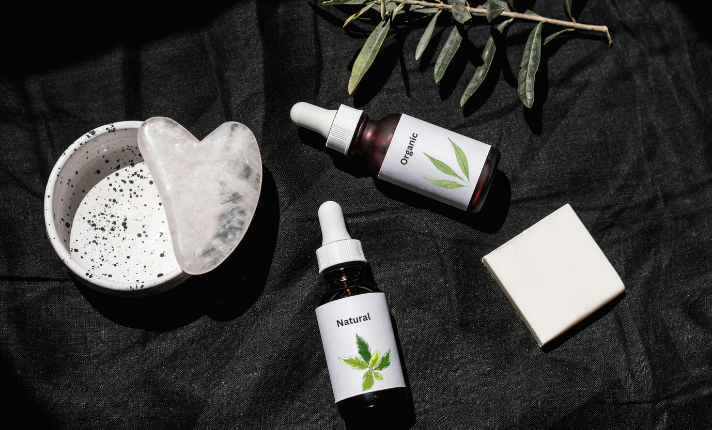
Regulatory agencies are doing investigation into a large number of personal and beauty care products that are being marketed as organic and natural on their labels. These investigations have raised so many concerns that some labels are misleading customers into buying them.
This concern follows complaints from consumer advocacy groups who argue that vague marketing terms are being used to create a false sense of purity and safety. The investigation launched demands for clean and green beauty products are surging, and consumers are increasingly looking for items that are free from parabens, sulfates, synthetic chemicals, and artificial fragrances.
However, health authorities warn that labels who claims that their products are natural, organic, or herbal don’t mean that they meet strict certification standards; in a few cases, these claims may be largely unsubstantiated.
What Triggered The Investigation
The regulator has given a review after the independent product testing was started, and the market surveys revealed that there were discrepancies between market claims and actual performance. Some products that are labeled as 100% natural were found to contain some synthetic preservatives, artificial fragrances, and petroleum-derived ingredients.
In other cases, the items that are marketed as organic contain only a small percentage of certified organic components. Authorities say that while the food products that are typically subjected to organic certification rules, cosmetics and personal care products often fall into a regulatory Gray area.
Consumers have filed formal complaints saying that certain companies are engaging in greenwashing, a marketing practice that exaggerates the false claims of environmental or health benefits.
The Problem with “Natural” and “Organic” Claims
One of the challenges that the regulators are facing is the lack of a universal legal definition for terms like “natural” in the cosmetics industry. Unlike pharmaceuticals, labeling standards can vary significantly between countries.
In many areas, the products that are created are legally marketed as natural even if contains a mix of synthetic ingredients and plant-derived ingredients. Similarly, the term organic doesn’t mean that it requires a full third-party certification unless it appears alongside an official organic seal.
Experts say that the result is widespread consumer confusion. For example, a product that is packed with green leaves, earthy tones, and words like clean, pure, organic, and natural may appear healthier even if its formulation is similar to the artificial alternatives
Consumers often assume that natural means are safer, but it is not always the case, said one regulatory official involved in the inquiry. Some natural ingredients can be allergic to the skin, while other ingredients are carefully tested and are safe to use.
Industry Response
Several beauty brands have defended their labeling practices by stating that they comply with the existing regulations and strive for transparency. Industry representatives argued that the absence of standard raised definitions creates confusion not only for consumers but also for the manufacturers.
Some companies have begun voluntarily adopting clearer labeling, including a full ingredient list and 3rd party certifications such as USDA Organic or Cosmos organic standards. Others are reformulating products to align more closely with consumer expectations.
However, regulators suggest that voluntary compliance may not be enough. Proposed measures under consideration include stricter labelling guidelines, clear definitions of natural and organic and stronger penalties for deceptive marketing.
Impact on Consumers
The investigation has prompted shoppers to take a closer look at the ingredient list rather than relying on the front label, claims. Dermatologists and consumer advocates recommend reviewing product labels carefully and researching unfamiliar ingredients.
Key tips for consumers include:
Be cautious of terms like clean or pure. Read the full ingredient list, not just the front label. Look for recognized organic certification seals. Verify claims through the brand’s official websites or regulatory databases.
What happens next?
Regulatory agencies are expected to release preliminary findings in the coming months. Depending on the outcome, new labeling requirements or enforcement actions may follow.
For now, officials stress that the investigation does not imply that all the national organic products are misleading. Rather, it aims to ensure that marketing claims accurately reflect product formulations.
As demand for transparency grows, both regulators and brands may be forced to redefine what “natural” and “organic” truly mean in the beauty industry.
