


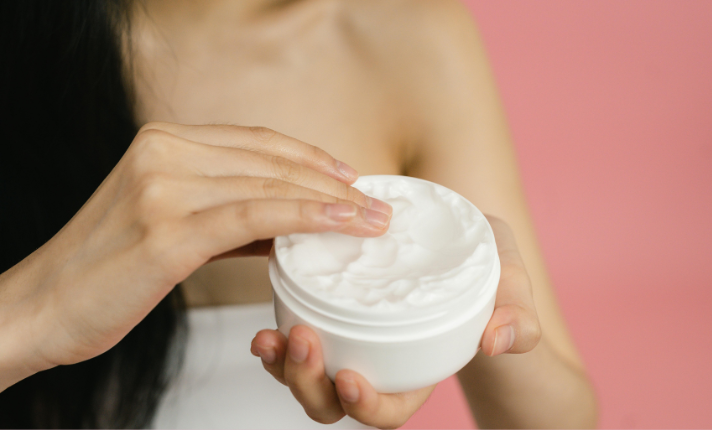
Health authorities are raising fresh alarms after investigations that revealed that skin-lightening creams contain illegal levels of mercury and are still being sold in some local markets and online websites. Despite these longstanding bans in many countries, these products continue to circulate all over the internet, putting consumers at serious risk of mercury poisoning and long-term health complications.
Recent inspections conducted by public health agencies have uncovered dozens of skin care cosmetic products exceeding the legally permitted mercury limit, with some containing dangerously high levels of mercury. Officials warned that continued availability both in local stores and through online stores undermines years of regulatory efforts aimed at eliminating the toxic ingredients from personal care products.
A Persistent Public Health Threat
Mercury has been banned strictly in many of the countries due to its toxic effects on the human body. Under international agreements such as the Minamata Convention on Mercury, countries have said that many products contain mercury, particularly skin lightening creams. However, enforcement remains inconsistent, especially in informal retail markets and unregulated online markets.
Health inspectors say many of the flagged products were imported illegally or mislabeled to avoid detection. Some were sold even without an ingredient list, while others fail to disclose the ingredient list or mercury entirely. In many cases, packaging claims to be herbal or natural, masking the presence of harmful substances present in it.
Public health experts describe the situation as alarming. “Mercury is not a harmless cosmetic aaditive” one toxicologist said. It is a potent neurotoxin that can cause irreversible damage. Especially with long usage.
Why Mercury Is Used In Skin Lightening Products
Mercury salts are sometimes added to skin-lightening creams because they inhibit melanin production, which lightens the skin’s appearance. The visual effect that it gives immediately makes these products appealing to consumers seeking a brighter or more even complexion.
However, the short-term benefit of this cosmetic can come at a steep cost. Mercury can accumulate in the body over time and can lead to toxicity that can affect the nervous system, immune function, or kidneys.
It can also be transferred from pregnant women to unborn babies. Which can potentially cause developmental harm. Doctors warn that users may not immediately recognize the symptoms of mercury poisoning, but their early signs can include skin rashes, muscle weakness, anxiety, and irritability.
With prolonged usage, many severe complications can happen, such as kidney damage and neurological impairment.
Communities at higher risk
Skin lightning products may remain popular in many communities due to their deep-rooted social and cultural presences, which may surround the beauty standards. Advocacy groups emphasize that colorism and marketing practices often fuel one’s desire for these products, particularly among women.
In low-income areas, cheaper cosmetic products or creams are sometimes sold in small shops or local markets because these products are more affordable to buy than the approved dermatological treatments that can become widely used.
Despite the health risk, officials note that migrants and communities with very limited access to verified health information may be especially vulnerable to purchasing contaminated products. Language barriers, misleading labeling, and the ingredient list further complicate consumer awareness.
Online Sales Complicate Enforcement
While brick and mortar inspections have led to product seizures in several cities, authorities acknowledge that online sales may be difficult to control. Because sellers may operate across borders, making regulation and enforcement more challenging.
Many e-commerce platforms have policies banning the sale of mercury-containing cosmetics, but monitoring every website listing is complicated. Some products are marketed under vague descriptions such as brightening cream, dark spot remover, or skin whitening cream, avoiding direct claims of skin bleaching while still containing harmful substances such as mercury.
Consumer Protection agencies are urging people to avoid buying these products and are also urging online platforms to strengthen screening mechanisms and remove illegal listings immediately.
Government and Regulatory Response
Regulatory agencies have stepped up many surveillance efforts, including random product testing and making public awareness campaigns. In recent months, multiple product recalls have been announced, and several shipments have been intercepted at ports of entry. Officials are also encouraging consumers to report suspicious products and avoid items that don’t have clear ingredient labeling.
Some governments are considering tougher penalties for importers and consumers found violating cosmetic safety laws. Health authorities recommend that consumers remain cautious when purchasing skin care products, particularly those that are marketed as herbal or natural, or instant whitening or rapid brightening.
Red flags may include no ingredient list or unclear labeling, extremely affordable prices, claims of dramatic results in a shorter time, Products sold outside the authorized retail seller’s packaging without manufacturer details.
Conclusion
The discovery that mercury skin lightening creams are still being sold in some local markets, which are highlighting online ongoing gaps inenforcement and consumer awareness despite international bans. They are still continuing to import such products illegally, which authorities are urging vigilance, stronger oversight, and informed purchasing decisions, and are giving penalties to those who are doing it illegally.
As the investigation continues, health experts emphasize a clear message that when it comes to skin care, safety would never be compromised for appearance, and it should never be compromised at such a low price.
