


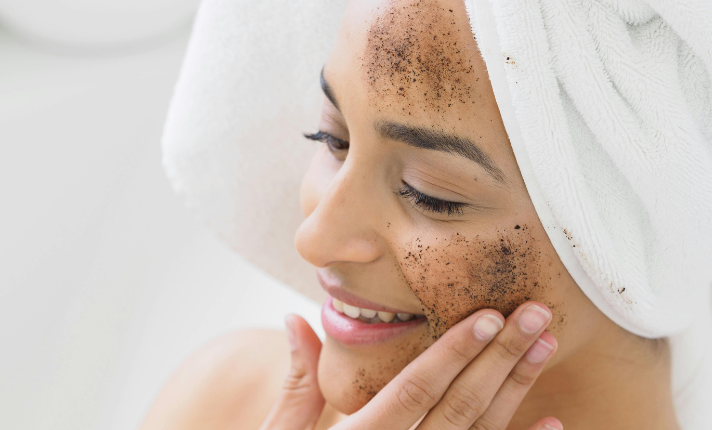
Environmental scientists investigated numerous brands of scrubbing formula sold at retail and online markets. They discovered the presence of small pieces of plastic (Plastic Microbeads) in many of the exfoliating products they examined. Many countries outlawed plastic microbead availability in personal care products dominated by major brand names a decade ago, making it seem like rinsing off our hands after using the bathroom would essentially eliminate any microbead pollution problems in the water chain.
Microbeads are normally considered “small plastic pieces” measuring less than 5mm in size. Historically, microbeads used to be the primary ingredient in the production of exfoliating scrubs to provide an exfoliating effect (scrubbing) on the skin; however, once the scrub is washed down one’s home drainage, it was thought to be removed at municipal wastewater treatment plants.
Scientists have now determined that in many cases, municipal wastewater facilities are incapable of completely removing microbeads, and they are emitted into rivers, lakes, and oceans.This report details the analysis of the scrubs from various products found on the retail market and orders placed through e-commerce sites.
While many companies have transitioned to alternative natural ingredients (sugar, sea salt, or crushed fruit pits) for use in their exfoliation formulations, several major products still contain significant quantities of polyethylenes identified as scrub ingredients, and in several instances, the ingredients did not have a common name that consumers would recognize.
Environmental Concerns Resurface
Microplastics have been claimed by many environmental organizations as a major contributor to ocean pollution. After microplastics enter the water, marine organisms could ingest the particles over time, and they will accumulate throughout the oceanic food web.
“Microplastics remain present indefinitely,” mentioned one of the marine biologists. “They only degrade to smaller pieces, which makes them increasingly difficult to remove and thus increases the likelihood of consumption by animals.”
Studies show that we have microplastics present in our food, water, and even blood; however, the health ramifications of long-term exposure to the types of plastic we ingest are still being researched. However, while continuing the research and studying the effects of microplastics on human populations remains important, we still need to actively reduce our generation of unnecessary plastic waste.
Loopholes in Cosmetic Regulations
Several countries have banned microbeads found in these cosmetic products in the early to mid-2010s; however, environmental advocates maintain that current regulations are written in such a way that they allow manufacturers to create various synthetic materials that are similar to microbeads and are not specified as banned by name within current legislation.
In a recent investigation of body scrub products, certain formulations were identified to contain polyethylene, polypropylene, and acrylate copolymers — none of which are explicitly defined as microbeads under the current legal definition; however, environmental experts believe these materials will still produce a similar effect on the environment.
As one environmental policy analyst said, “The legislation tends to target specific materials, but the industry moves significantly faster than legislation does, so the way in which those materials are defined may give manufacturers the ability to technically comply with the law while continuing to contribute to pollution.”
Regulatory Agencies have confirmed that they are aware of these findings and are in the process of determining whether the current bans need to be amended to include a broader scope of plastic-type ingredients.
Industry Response
Several major beauty brands responded to the investigation by reiterating their commitment to sustainability. Some companies stated that they phased out microbeads years ago and now use biodegradable alternatives.
However, smaller manufacturers and imported products appear more likely to contain plastic particles, according to the report. Environmental advocates say global supply chains make enforcement challenging, particularly when products are sold online across borders.
Industry representatives note that transitioning away from synthetic exfoliants can be costly, especially for budget brands. Still, critics argue that environmental responsibility should not be optional.
Consumer Awareness Growing
The discovery has sparked renewed public interest in ingredient transparency. Shoppers are increasingly checking product labels and researching unfamiliar terms.
Experts recommend scanning ingredient lists for plastic-related names, including:
Polyethylene (PE)
Polypropylene (PP)
Polymethyl methacrylate (PMMA)
Acrylate copolymer
Nylon
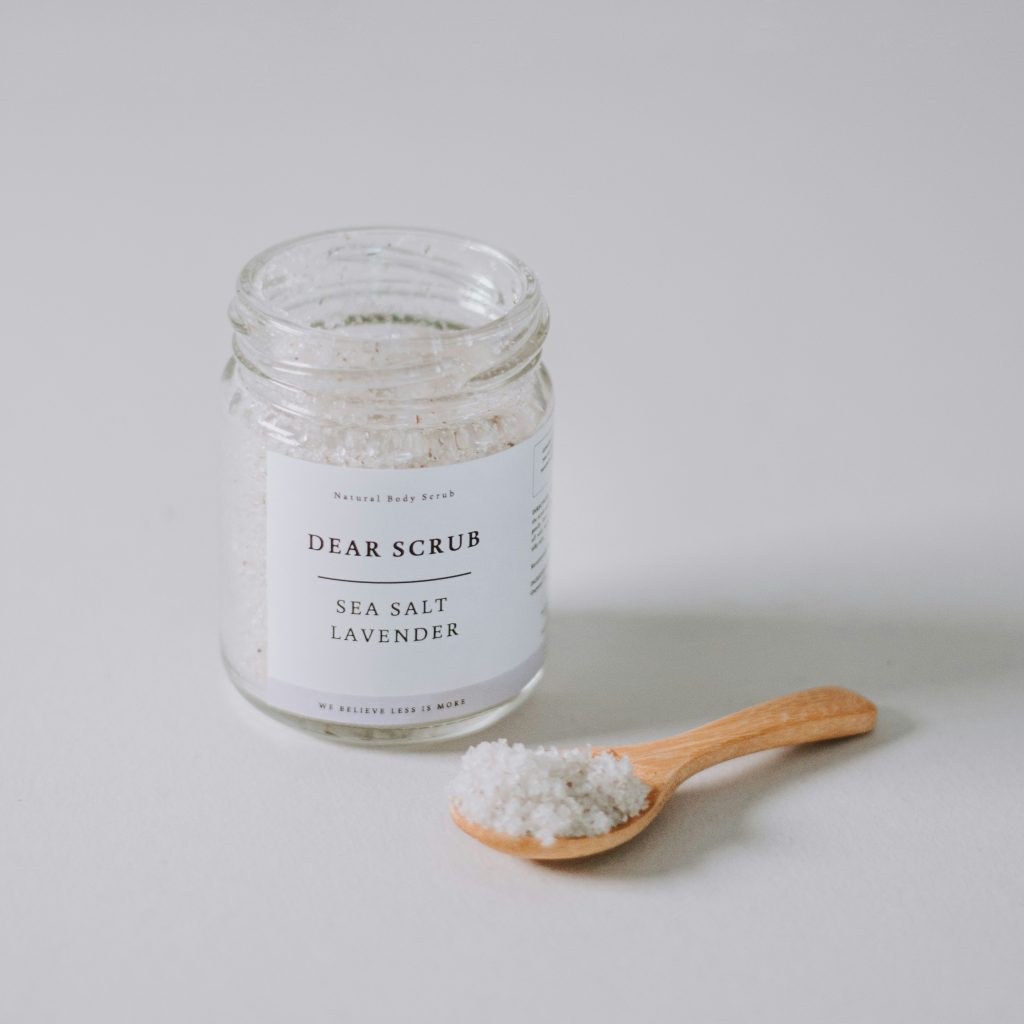
Instead, consumers seeking environmentally friendly options can look for natural exfoliants such as:
Sugar, Sea salt, Ground coffee, Crushed walnut shells, Oatmeal.
Dermatologists caution that while natural alternatives are better for the environment, some physical exfoliants—such as crushed nut shells—can be too abrasive for sensitive skin.
The Bigger Environmental Picture
The issue of microplastics extends far beyond cosmetics. Synthetic fibers from clothing, degraded packaging, and industrial waste all contribute to widespread plastic pollution. However, cosmetic microbeads have historically been considered “low-hanging fruit” because alternatives are readily available.
Environmental organizations argue that removing plastic from exfoliating scrubs is a relatively simple step that can significantly reduce unnecessary waste entering ecosystems.
“This is one of the easiest problems to solve,” said a spokesperson from an environmental advocacy group. “There are effective natural substitutes. There’s no need for plastic in face wash.”
What Happens Next
Regulatory agencies are expected to perform additional analyses and put strict restrictions if deemed appropriate. Some legislators have already called for more thorough definitions of microplastics for cosmetic regulations.
Meanwhile, experts say consumer preferences generally dictate product availability. If consumers purchase and show they like ecologically viable products, brands usually respond hastily.
Microplastic detection in daily-based exfoliating products reminds us that sustainability initiatives require continuous accountability. Continued growth in sustainability awareness among users and the government will certainly push both parties toward demand for better labeling and stronger environmental protections.
Currently, environmental groups encourage consumers to be educated and practice mindful purchasing habits. A little plastic bead in a face scrub might appear unimportant, but if you multiply that bead by the number of individuals who use it, the end result is significant.
