


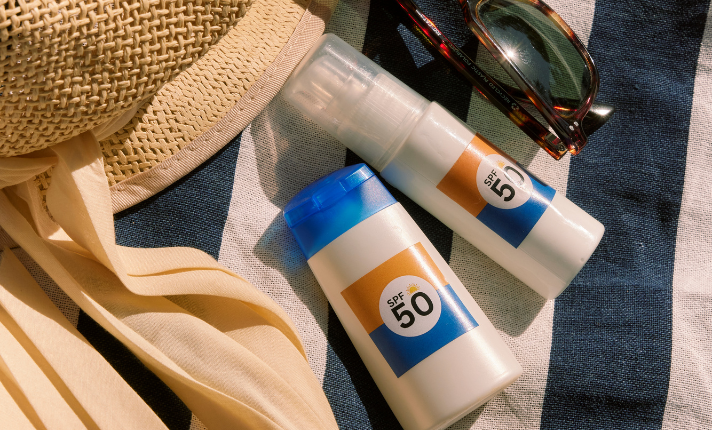
Multiple Sunscreen Brands (e.g., Spray, Lotion) tested by Consumer Protection Groups indicated that sunscreens with SPF 50+ had lower amounts of protection based on international testing standards. Many of the products tested were actually SPF 20-30, which do not adequately protect users from harmful UV rays while outdoors.
Through their independent research, labs found that some of the tested products did not meet their labeled SPF claims (e.g., SPF 50 or greater) and, as a result, consumers who rely on these products to protect their skin from damage and/or skin cancer are at an increased risk from exposure to harmful UV rays than they were led to believe.
Health officials warned that this misleading labeling of SPF claims could leave consumers unknowingly vulnerable to harmful ultraviolet UV) radiation
What The Tests Revealed
Various consumer protection groups tested many different types of sunscreens using the SPF testing protocols established internationally to evaluate how much protection is provided by each product against the harmful UV rays, which are responsible for causing sunburns and are one of the leading causes of skin cancer. Out of all of the sunscreens tested, only a handful met their labeled SPF levels.
Several products failed to meet the SPF level that was marketed on the product labeling, while not all brands were affected. Regulators say that the discrepancy is significant enough to warrant public warnings.
SPF, the sun protection factor, indicates how long a sunscreen can theoretically protect the skin compared to unprotected exposure. For example, SPF 50 is designed to block approximately 98% of UVB rays under proper application, while if a product delivers less protection than expected, the users may burn more quickly than expected.
This is not just a labeling issue, it is a public health issue, one dermatologist said.” Where people trust the number on the bottle.
Why Accurate SPF Matters
Skin cancer is one of the most prevalent cancers globally. As a result, dermatologists are encouraging people to wear broad-spectrum sunscreen with an SPF of at least 30 each day to protect their skin.
If the claims of SPF products are exaggerated, then consumers will spend more time in the sun without taking appropriate precautions (e.g., reapplying after swimming or exercising). They will believe they are protected from the sun; however, this is not the case. Skipping protective clothing and/or shade for a brief period of time when exposed to excessive sunlight can lead to premature aging, chronic damage to the skin, sunburns (especially in children), and greatly increase the risk of developing melanoma.
Many parents are very concerned because they depend on the higher SPF sunscreen to protect their children while they are engaging in outdoor activities.
Possible Causes Behind The Discrepancies
Authorities are looking into the reasons for these issues, and many experts offer the following potential reasons as to why:
Misleading Advertising. Testing of SPF is wrong. Ingredients in a formula may degrade over time. Each batch of product is not made consistently. Stability testing was not done correctly. The performance of sunscreen varies, based on the concentration of its ingredients and how evenly it was distributed while testing, and because sunscreen is exposed to high temperatures during shipping.
Industry and Regulatory Response
In response to the findings, regulatory agencies have issued product recalls and safety notices for certain batches. Retailers have been advised to remove effective sunscreen from shelves while further testing is conducted.
Sunscreen products are typically classified as over-the-counter drugs in many countries, meaning they are subject to regulatory standards. However, enforcement resources vary, and routine post-market testing may not catch every discrepancy immediately.
What Consumers Should Do Now
According to health officials, sunscreen remains necessary and should not be neglected. Individuals are also encouraged to take additional steps when using sunscreen:
Check the official recall list to see if any of the products contain potential issues. Choose a reputable brand to be sure the product is safe. Put a lot of sunscreen on (one ounce should cover the whole body). Apply sunscreen every 2 hours and after swimming or sweating. Wear sun-protecting clothing, stay in the shade from the sun when it’s most intense (usually from 10 a.m.-3 p.m.).
There are many dermatologists who recommend using broad-spectrum products that contain protection against both UVA and UVB rays. Even the best types of sunscreens will not give total sun protection if put on too sparingly.
“If you have any questions about how well a product will perform, try using sunscreen with a hat, sunglasses, and clothes that are specifically made to protect you from the sun,” said a doctor who specializes in skin cancers.
A Reminder About Sun Safety
Public safety has prompted a new conversation about sunscreen use and other sun protection methods. Experts agree that sunscreen alone is not a complete sun protection solution, and people should not panic about using it; however, they suggest that people remain cautious.
Most commercial sunscreens meet federal safety guidelines and manufacturer quality assurance programs, which are responsible for taking corrective action when an issue arises. At this time, it is also critical for public health to have transparency and accurate product labeling (including sunscreen) to support consumer confidence – both when planning for outdoor events and summer vacations.
While investigations of commercial sunscreens continue, regulators have stated their commitment to holding manufacturers accountable for making SPF claims that correspond to actual product performance. In other words, when consumers see that “SPF 50” on a commercial product, they trust that it will provide that level of protection.
