


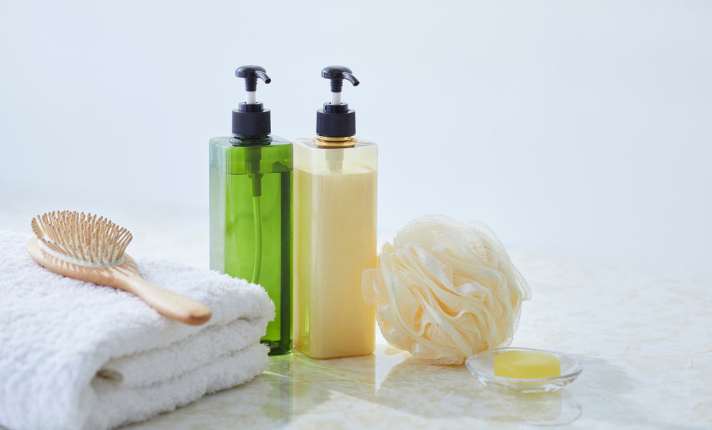
It began with a routine quality control test, which has now expanded into a full-blown national recall. Many consumers across the world are affected by this, as products including soaps, body washes, bath salts, and scented lotions have been pulled off of store shelves due to the discovery of contaminants in several batches.
Health officials allege that many bath and body products contain harmful chemicals and that some have dangerous levels of contaminants (i.e., bacteria), all of which were not disclosed on the product label. As investigations continue, health officials advise consumers to throw away or cease use of affected products.
For families who use these products frequently (especially children), this news feels personal.
How the Contamination Was Discovered
A number of consumers complained to us about unusual skin reactions after using some products from the bath and body category. Consumers reported experiencing rashes, burning sensations, and in some instances, blisters, after applying lotions or soaking in bath salts.
As a result of these flooded reports, dermatologists began to notice a pattern. During consultations with patients who reported these side effects, they also provided a number of brands used by them. Subsequent laboratory testing confirmed the presence of toxic contaminants, including very high levels of bacteria and trace amounts of chemicals that should not ordinarily be found in personal care products (e.g., cosmetics).
Officials with the company indicated that contamination could have occurred during manufacture as a result of poor sanitation practices or cross-contamination with equipment or materials meant for industrial use.
“These products are designed to come into direct contact with the skin,” one public health representative said. “When contamination happens, the risk is immediate.”
What Was Found in the Products
While authorities have not disclosed every detail of the ongoing investigation, preliminary reports suggest two main concerns:
Microbial Contamination: Certain products tested positive for harmful bacteria that can cause skin infections, especially in individuals with cuts, eczema, or weakened immune systems.
Toxic Chemical Adulteration: Some batches contained chemical residues inconsistent with approved cosmetic ingredients. Investigators are examining whether raw materials were contaminated before reaching production facilities.
In bath products like salts and scrubs, contamination can be especially dangerous because warm water opens pores, increasing skin absorption.
Health Effects Reported by Consumers
So far, reported symptoms include: Redness and inflammation, Painful rashes, Chemical burns, Itching and swelling, Small skin infections, and Fever in severe cases.
Parents have expressed particular concern after their children developed skin irritation following bath time.
One mother described how her child’s skin became inflamed within minutes of using a newly purchased bubble bath. “It was supposed to be gentle and soothing,” she said. “Instead, we ended up at urgent care.”
Medical professionals say most symptoms resolve with treatment, but prolonged exposure to contaminated products can cause more serious complications.
Company and Retailer Response
The companies involved have issued voluntary recalls and are cooperating with regulators. Retailers nationwide have removed affected products from store shelves and online platforms. Customers are being offered refunds, even without receipts in some cases.
In public statements, manufacturers said they are reviewing their quality control processes and conducting internal audits of production facilities.
“We deeply regret the concern this has caused,” one company spokesperson said. “Consumer safety is our top priority.”
However, consumer advocacy groups argue that stricter oversight is necessary, especially for products marketed as “gentle,” “natural,” or “safe for sensitive skin.”
Why This Matters
Bath and body products are among the most commonly used personal care items. Many are applied daily and often shared among family members. Because they are considered routine essentials, consumers rarely question their safety.
But experts say contamination incidents are reminders that cosmetics are not risk-free.
Unlike prescription medications, many personal care products do not require pre-market approval in certain countries. Instead, companies are responsible for ensuring safety before distribution. When quality control fails, recalls become the safety net.
What Consumers Should Do Now
Health authorities recommend the following steps:
- Check official recall notices for product names and batch numbers
- Stop using affected items immediately
- Return products to the retailer for a refund
- Monitor for skin reactions
- Seek medical advice if symptoms develop
Consumers are also encouraged to report adverse reactions to national health agencies to help investigators track the issue.
A Wake-Up Call for the Industry
The recent recall has opened up a much larger discussion around transparency and accountability in manufacturing & supply chain practices. Many advocacy groups are requesting greater testing requirements and more clearly defined labeling standards to stop similar occurrences from happening again.
At this time, regulators are saying that there’s no need to panic at this point. The large majority of the bath and body products currently on the market have passed safety inspections. However, it is still incredibly important to remain vigilant.
Trust is central to this issue. People expect bath and body products, which are designed to help with relaxation and self-care, to be safe and secure. Trust can take time to rebuild after being broken, and stronger protections are necessary for rebuilding trust in this instance.
Until the investigation concludes, health officials have stated they will continue focusing on ensuring that the products intended to help you feel comforted/cared for do not harm you in any way while they are in use.
