


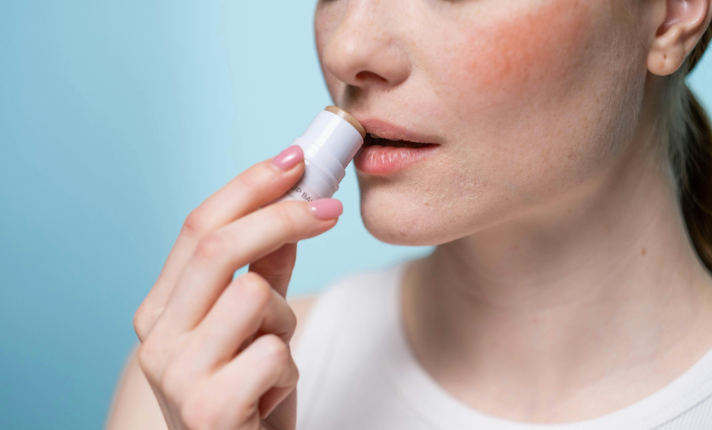
A product many people keep within arm’s reach — in purses, desk drawers, coat pockets, and bedside tables — is now under scrutiny. Health authorities have issued safety warnings after laboratory tests confirmed contamination in several batches of popular lip balms, prompting recalls and growing consumer concern.
Lip balm is often seen as one of the most basic personal care items. It’s used daily, sometimes multiple times a day, and often shared among family members. But recent findings suggest that certain products may have been compromised during manufacturing or storage, exposing consumers to potential health risks.
How the Issue Came to Light
The problem surfaced after dermatologists began noticing an unusual increase in patients complaining of persistent lip irritation. Symptoms included redness, swelling, cracking, and in some cases, painful sores that failed to heal.
Several patients mentioned using the same brands of lip balm shortly before their symptoms began. That pattern prompted further investigation.
Regulatory agencies conducted routine laboratory testing on randomly selected cosmetic products and discovered bacterial contamination in specific batches of lip balms. In a few cases, low levels of mold were also detected.
Officials believe the contamination may have occurred during production, possibly due to inadequate sterilization of equipment or improper preservation methods.
Why Lip Balm Contamination Is Concerning
Unlike many other cosmetic products, lip balm is applied directly to the mouth area. Small amounts are often ingested unintentionally throughout the day. That makes product purity especially important.
Health experts warn that contaminated lip products can lead to:
Skin infections, Worsening of cold sores, Swelling and inflammation, Cracked, bleeding lips, Secondary bacterial infections.
For individuals with weakened immune systems, even minor contamination can pose more serious health risks.
“Anything applied near the mouth needs to meet high hygiene standards,” one public health official explained. “Repeated daily use increases exposure.”
Consumer Experiences Raise Alarm
Some consumers initially assumed their symptoms were due to weather changes or dehydration. One college student said she kept reapplying lip balm to soothe dryness, only to notice her lips becoming more irritated each day.
“It felt like it was making things worse instead of better,” she said.
Another parent reported that her child developed a rash around the mouth after using a flavored lip balm purchased from a local store.
While not all irritation cases have been directly linked to contamination, officials say the lab-confirmed findings are serious enough to warrant public warnings.
Manufacturer and Retail Response
Companies involved in the affected batches have issued voluntary recalls and are cooperating with regulatory agencies. Retailers have removed the products from store shelves and online listings as a precaution.
In public statements, manufacturers said they are conducting internal audits of their production facilities and reviewing quality control procedures.
Some brands emphasized that only specific lot numbers are affected and that other products remain safe for use.
Health authorities are advising consumers to check recall notices carefully and compare product batch numbers before continuing use.
The Role of Storage and Handling
Experts note that contamination doesn’t always occur at the factory level. Lip balms stored in hot cars, exposed to moisture, or shared between individuals can also become breeding grounds for bacteria.
However, in this case, laboratory results confirmed contamination in unopened products, suggesting manufacturing-level issues.
Dermatologists recommend replacing lip balm regularly and avoiding products that change in smell, texture, or color.
What Consumers Should Do
Health officials recommend the following steps:
Check official recall lists for affected brands and batch numbers.
Stop using any recalled products immediately.
Discard lip balms that show unusual odor or texture changes.
Avoid sharing lip products.
Seek medical advice if irritation persists.
If symptoms such as swelling, severe pain, or signs of infection develop, consumers should consult a healthcare provider promptly.
A Reminder About Everyday Products
The recall has surprised many people because lip balm is considered low-risk compared to other cosmetics. But experts say this situation highlights the importance of strict hygiene standards across all personal care products — no matter how simple they seem.
For consumers, the experience has been unsettling. A product meant to soothe dry, chapped lips instead became a source of discomfort and concern.
As investigations continue, authorities stress that most lip balms on the market remain safe. Still, they encourage consumers to stay informed and report any unusual reactions.
In the end, even the smallest items in our daily routines deserve the highest safety standards — especially when they’re used as often as lip balm.
