


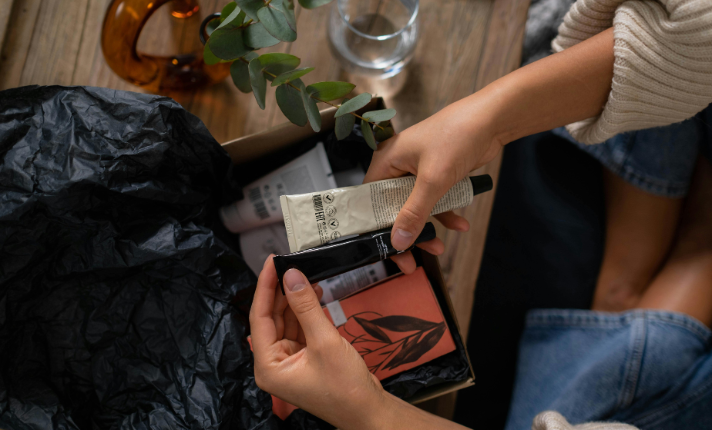
The reality of counterfeit beauty subscription boxes presents issues of public safety. Recently published reports indicate counterfeit beauty subscription packages have been received by consumers containing hazardous and contaminated products.
In the last 10 years, there has been explosive growth in the popularity of beauty subscription services. For a set monthly fee, customers have been enjoying curated boxes of various beauty products: skin-care, make-up, hair-care, and wellness products. The rush of excitement when consumers are unboxing new products has become a popular ritual on social media, creating fertile ground for scammers.
Reports indicate that counterfeit subscription boxes are being promoted at steeply discounted rates through unofficial websites, social media ads, and third-party vendors. Consumers who purchased counterfeit boxes often do not realize they purchased counterfeit boxes until they have experienced something bad with them.
Complaints Begin to Mount
As consumers reported strange skin reactions and odd packaging on items received in boxes they thought would be genuine (authentic), a greater number of reports flooded in about the lack of safety seals, spelling errors on some of the brand names, and inconsistencies in both texture and scent of commonly used products.
As an example, one consumer described how she returned home after receiving an order that looked like a special promotional offer for an item found via an online ad. At first, she thought nothing of the slight difference in appearance of the box. However, after putting one of the face creams on her face, she developed a rash about an hour later.
Since then, dermatologists have been called to treat patients for skin irritation, allergic reactions, and minor infections caused by using the products in counterfeit boxes.
What’s Inside the Fake Boxes?
Authorities say counterfeit beauty boxes often contain:
Imitation versions of popular skincare brands.
Expired or repackaged cosmetics.
Products without ingredient labels.
Items diluted with unknown fillers.
Contaminated creams or serums.
Because these products are not sourced through legitimate supply chains, there is no guarantee of proper storage or quality control. Temperature-sensitive items like serums and moisturizers can degrade if stored improperly, increasing the risk of skin irritation.
In some cases, lab tests revealed elevated levels of bacteria in counterfeit creams — a serious concern when applied to the face.
How Scammers Operate
Fraudulent entities frequently develop websites that mimic real subscription services. For example, these fake websites typically have copied logos, promotional images, and phony reviews to make the site seem legitimate.
Discounts are often used to attract customers into buying products or signing up for services. They also offer customers “time-sensitive discount periods” and/or “exclusive influencer specials,” and most of the time, the price is much less than the relevant subscription price. Some of these scammers also run ads on social media targeting people who enjoy beauty products.
Typically, consumers will be required to pay for the product or service before it ever arrives, and upon completion of the transaction, the customer may receive fake or counterfeit products, or nothing at all.
Consumer protection organisations have reported that the scams made by fraudsters are becoming more and more difficult for the average consumer to detect because the fraudsters are using sophisticated techniques to perpetrate their scams.
Risks Beyond Skin Irritation
While skin reactions are the most visible consequence, experts warn that the risks extend further. Counterfeit cosmetics can contain harmful chemicals, heavy metals, or allergens not disclosed on packaging.
Using contaminated or improperly formulated products can lead to:
Severe allergic reactions, Chemical burns, Eye infections from fake mascaras or eyeliners, Long-term skin sensitivity.
For individuals with preexisting skin conditions like eczema or rosacea, exposure to unregulated ingredients can worsen symptoms.
Companies and Authorities Respond
Legitimate subscription box companies have begun issuing public warnings, urging customers to purchase only through official websites. Some are adding verification features such as order tracking systems and secure customer portals to reduce fraud.
Law enforcement agencies are investigating the distribution networks behind counterfeit boxes. However, because many sellers operate internationally, shutting them down can be challenging.
Online marketplaces and social media platforms have pledged to remove fraudulent listings, but new accounts often appear quickly.
How Consumers Can Protect Themselves
Experts recommend several precautions:
Purchase subscription boxes only from official brand websites.
Avoid deals that seem unusually cheap.
Verify website URLs carefully.
Check for secure payment methods.
Compare packaging with images from official sources.
Be cautious of influencer codes that cannot be verified.
If a product looks, smells, or feels unusual, consumers should stop using it immediately.
A Growing Concern in the Beauty Industry
The spike in counterfeit subscription boxes shows a greater issue in the beauty market: how consumers trust the product. An important part of getting people to subscribe is building a loyal base and creating excitement. When counterfeiters take advantage of a consumer’s trust, the financial impact is not the complete damage done.
For many consumers, beauty boxes are self-care products, so once they discover that the products are not genuine or safe, they are both disappointed and alarmed.
With ongoing investigations, authorities want to remind consumers that the best way to protect themselves is to be aware of counterfeits. With the convenience of online shopping, safety should not be compromised.
Consumers should always do their homework, confirm that they are purchasing from a legitimate seller, and report any suspicious sellers. The importance of an authentic product cannot be understated when used on your skin.
