


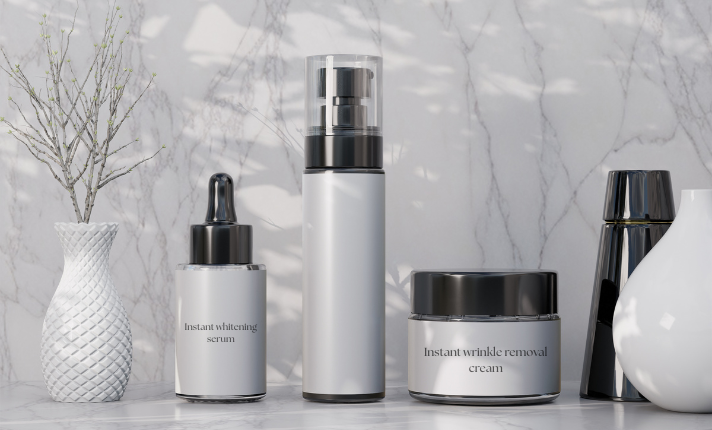
Beauty and wellness advertising has long included bold claims like “permanently reduce fat,” “erase wrinkles instantly,” and “miracle results backed by clinical studies.” Recently, regulators have begun to take a closer look at many of these claims for being deceptive and have begun taking action against companies whose marketing has alleged to have grossly exaggerated results.
As a result of numerous consumer complaints about products whose advertised results don’t match those seen by consumers, there has been an investigation into several beauty and wellness product types, including skin serums, hair growth products, weight-loss pills, and cosmetic devices.
Consumers who spent both money and hope on these products have taken the controversy personally.
The Claims Under Question
According to regulatory authorities, the main issues relate to the image descriptions accompanying product advertisements, including names, for packaging products, and on social media. For example, phrases such as “Eliminate Wrinkles In 7 Days,” or “Regrow Hair – Clinically Proven,” or “You Will Get Guaranteed Results” are currently being evaluated.
In some instances, the majority of the studies referenced in the advertised clinical trials for the products were based on non-peer-reviewed trials, not related to the final product formulation, or were not statistically significant. In other instances, the ads used digitally altered images in an effort to enhance the comparison between images of clients before and after the use of the product.
One consumer indicated that she purchased a high-priced anti-aging cream after viewing photos of clients with dramatic transformations online. “The results were unbelievable — and so were not real,” she stated. “I did not see any difference after weeks of using it.”
According to legal experts, the use of exaggerations can become a problem when consumers have a reasonable expectation of receiving results when the results cannot be substantiated.
Social Media’s Role in Amplifying Claims
The rise of influencer marketing has added another layer to the issue. Beauty brands often collaborate with online personalities to promote products, sometimes blurring the line between personal opinion and paid endorsement.
Investigators are reviewing whether sponsored posts adequately disclosed paid partnerships and whether influencers were instructed to make specific performance claims.
Short-form video platforms, in particular, have accelerated the spread of dramatic product demonstrations. Filters, lighting adjustments, and editing techniques can create the illusion of immediate results, making it difficult for viewers to distinguish marketing from reality.
Legal and Regulatory Response
Consumer protection agencies have begun issuing warning letters and, in some cases, filing lawsuits against companies accused of false or misleading advertising. Penalties could include fines, mandatory refunds, and court orders prohibiting certain marketing language.
“Companies are allowed to promote their products,” one regulatory spokesperson said. “But claims must be truthful, evidence-based, and not misleading.”
Some brands under investigation have defended their marketing strategies, arguing that their language was meant to be aspirational rather than literal. Others have agreed to revise advertising materials and remove specific claims.
Retailers are also being encouraged to scrutinize product descriptions on their platforms to ensure compliance with advertising standards.
The Impact on Consumers
For many buyers, beauty and wellness purchases are driven by emotional investment as much as practicality. Marketing often taps into insecurities about aging, body image, or self-confidence.
When results fall short of promises, consumers may feel not only financially disappointed but also emotionally misled.
Advocacy groups say exaggerated claims can disproportionately affect vulnerable populations, including teenagers and older adults seeking visible improvements.
“It’s not just about money,” one consumer advocate explained. “It’s about trust.”
Industry-Wide Implications
With the rise in legal scrutiny, there is a trend towards more rigorous oversight of marketing strategies in the beauty sector, and experts believe brands will have to rely increasingly on verifiable scientific evidence and open communications.
Brands will likely be required to provide clearer disclaimers, set realistic expectations in terms of delivery time, and use unaltered images or video as part of their efforts to minimize exposure to any potential legal issues.
Some marketing professionals believe that the beauty industry has always been based on exaggerated statements for advertising purposes, but regulators are now trying to establish a clearer line between advertising art and misleading advertising.
What Consumers Can Do
Experts recommend approaching dramatic promises with caution. Before purchasing, consumers can:
Look for independent reviews rather than solely brand testimonials.
Check whether clinical studies are publicly available.
Be skeptical of “guaranteed” results.
Consult professionals for medical or cosmetic treatments.
Understanding that individual results vary can also help manage expectations.
A Turning Point for Transparency?
There are numerous opinions regarding where we currently find ourselves, as the investigations continue. This is considered to be a moment of change for many. Credibility is paramount in an industry focused on transformation and aspiration.
Companies that offer transparency to their customers may create stronger loyalty; those who rely on overreaching claims will damage their reputation.
The current focus of the regulators will be to communicate that marketing is to provide information, not misinformation. For the consumer who’s looking through a crowded retail store to find something specific or searching the web to find a specific product advertised, the message is clear: if an offer appears too good to be true, it probably deserves another look.
