


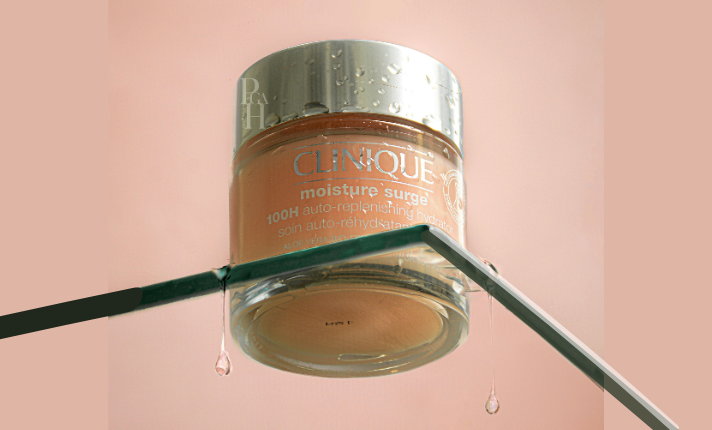
Lawsuit Raises Questions About Sun Protection Claims
In February 2026, skincare brand Clinique was named in a class-action lawsuit alleging that one of its SPF 50 sunscreen products may not provide the level of protection advertised on its label. The complaint, filed in federal court, claims that independent testing suggested the sunscreen delivered significantly lower sun protection than the stated SPF 50 rating.
Clinique, a long-established name in dermatologist-developed skincare, has built its reputation on safety, allergy-tested formulas, and clinical performance claims. The lawsuit has therefore drawn particular attention, as consumers often associate the brand with medical-grade reliability and trust.
What the Plaintiffs Are Alleging
According to court documents, the plaintiffs argue that laboratory testing conducted on certain batches of the sunscreen showed SPF results below 50 under standardized conditions. They claim that consumers relied on the SPF 50 label when purchasing the product, believing it would provide a high level of protection against harmful UVB rays.
SPF, or Sun Protection Factor, measures how effectively a sunscreen blocks UVB radiation — the primary cause of sunburn and a contributor to skin cancer. An SPF 50 sunscreen is generally expected to block about 98 percent of UVB rays when applied correctly and in sufficient amounts.
The lawsuit alleges that if the actual protection level was lower, consumers may have unknowingly exposed their skin to more sun damage than intended. Plaintiffs also argue that the higher SPF label allowed the product to be marketed and sold at a premium price.
Why SPF Accuracy Is So Important
Sunscreen labeling is tightly regulated in the United States because it directly relates to public health. Consumers depend on SPF numbers to make informed decisions, especially individuals with fair skin, a history of skin cancer, or those who spend extended time outdoors.
Dermatologists frequently emphasize that sunscreen is a daily necessity, not just a cosmetic add-on. Beyond preventing sunburn, consistent use helps reduce long-term risks such as premature aging, hyperpigmentation, and skin cancer.
When a sunscreen claims SPF 50, consumers reasonably expect that level of protection — assuming they apply the recommended amount. Even modest discrepancies in testing can become significant when multiplied across millions of applications.
Clinique’s Expected Defense
As of now, Clinique has not publicly admitted any wrongdoing and is expected to defend the integrity of its testing and labeling procedures. Industry experts note that SPF testing can be influenced by several variables, including laboratory conditions, product storage, and application thickness during testing.
Companies are required to follow standardized protocols when determining SPF values before placing those numbers on packaging. However, disputes sometimes arise when independent tests produce results that differ from manufacturer data.
Legal analysts say the case may ultimately hinge on whether any difference in SPF results falls outside acceptable regulatory margins or whether the plaintiffs can demonstrate measurable harm.
Broader Industry Implications
The lawsuit arrives amid heightened scrutiny of sunscreen products across the beauty industry. In recent years, several brands have faced legal challenges or voluntary recalls related to SPF discrepancies or contamination concerns. As consumers become more ingredient-conscious and scientifically aware, tolerance for inaccurate labeling has diminished.
If the case moves forward, it could encourage stricter enforcement of SPF testing standards and clearer communication around sunscreen claims. It may also prompt consumers to pay closer attention to how products are tested and certified.
What Consumers Should Know
For now, dermatologists continue to recommend daily use of broad-spectrum sunscreen — meaning protection against both UVA and UVB rays — along with reapplication every two hours during direct sun exposure.
Experts also remind consumers that no sunscreen offers complete protection. Wearing protective clothing, seeking shade, and avoiding peak sun hours remain important components of sun safety.
As the legal process unfolds, the outcome of the case could have implications not only for Clinique but for the broader skincare market. At its core, the lawsuit underscores a simple but critical expectation: when consumers read “SPF 50” on a bottle, they trust that the number reflects the protection inside.
Whether the court determines that trust was misplaced will be decided in the months ahead.
