


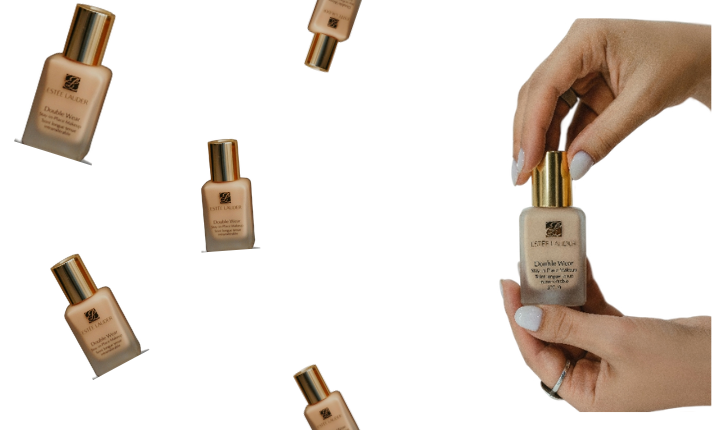
Luxury Beauty Brand Takes Retail Giant to Court
In January 2026, Estée Lauder, an international cosmetic business based in New York City, filed a lawsuit against the world’s largest retailer (Walmart), claiming that “counterfeit” versions of their products are being sold online on Walmart.com through their third-party sellers. This lawsuit comes at a time when there are mounting concerns over counterfeit beauty products being sold on the largest online shopping sites.
In court documents, Estée Lauder has indicated that third-party sellers who have not been approved by the company are offering products that have been counterfeited and are being sold on Walmart.com. The company believes that the way these counterfeit products are sold could lead consumers to believe they are purchasing legitimate products made by Estée Lauder.
Although Walmart is not being accused of producing fake products, Estée Lauder does believe that Walmart has failed to take proper action to monitor product listings and remove counterfeit products from its website.
The Rise of Counterfeit Beauty Products
Counterfeit items have become a major concern in the international beauty market; as more people move towards virtual shopping, it has been much easier for unauthorized companies to sell knock-off beauty items to customers through third-party sellers’ sites.
For example, counterfeiters often target luxury skin care and cosmetic brands because of the high demand created by the premium price point. Experts say the danger of counterfeit beauty products extends beyond trademark infringement; counterfeit beauty products can also be extremely unsafe for consumers.
Counterfeit cosmetics may contain unregulated ingredients, dangerous chemicals, or unsanitary contaminants. Consequently, the consequences of applying counterfeit cosmetic products to the skin, eye, or lip areas can include developing allergic reactions, infections, and/or experiencing damage to the skin over time.
Estée Lauder’s lawsuit argues that protecting customers from these risks is central to the case.
What the Lawsuit Claims
Estée Lauder claims that it has suffered from the wrongful use of its name and image, as well as unfair competition and consumer deception, and therefore has filed a lawsuit against the defendants.
In addition to demonstrating how sales at ridiculously low prices are indicative of the sale of counterfeit goods, the complaint also asserts that many consumers have reported a difference in the product’s appearance, feel, or smell, when comparing the product that was purchased through the counterfeit seller with one purchased from an authorized retailer.
Estée Lauder claims that it has a selective distribution system that prohibits the authorized sale of its products through certain third-party sellers on the Internet. The company also argues that without greater control over online marketplaces, “Counterfeit goods” will continue to be distributed through these channels.
Walmart’s Position
Walmart has stated that it takes intellectual property concerns seriously and has policies in place to address counterfeit sales on its marketplace. Like many major retailers operating third-party platforms, Walmart allows independent sellers to list products while maintaining rules that prohibit the sale of counterfeit items.
Retail analysts note that managing third-party sellers at scale presents significant challenges. With thousands of vendors listing products daily, even large corporations struggle to catch every violation immediately.
Walmart is expected to defend itself by pointing to its seller-vetting processes, product-monitoring systems, and procedures for responding to brand complaints.
Broader Implications for Online Retail
The case highlights the ongoing tension between brand protection and the open marketplace model used by many e-commerce platforms. Third-party seller systems allow retailers to expand product offerings and remain competitive, but they also increase exposure to counterfeit risks.
Luxury brands have become more aggressive in recent years about pursuing legal remedies. Counterfeit sales not only affect revenue but also threaten long-term brand integrity. For companies built on trust, quality, and reputation, even isolated incidents can have outsized consequences.
Consumer advocacy groups say the issue underscores the importance of transparency in online shopping. Shoppers are encouraged to verify sellers, review ratings carefully, and be cautious of unusually steep discounts on high-end products.
What Comes Next
Although the legal proceedings are still ongoing, if a court finds some merit to the claims made by Estée Lauder, it may require stricter oversight of online retailers and/or impose financial penalties. In addition, wider operation reformations may occur among third-party marketplaces in relation to how these marketplaces operate.
The lawsuit represents a strong message that major beauty brands are ready and willing to pursue legal recourse if they believe to be losing revenue through counterfeit goods being sold via digital retail channels.
As online shopping continues to dominate consumer habits and the battle continued between luxury brand manufacturers and counterfeit sellers, this lawsuit could illustrate new ways for beauty brands to distribute their products in today’s digital world and how comfortable consumers will be clicking on “add to cart”.
