


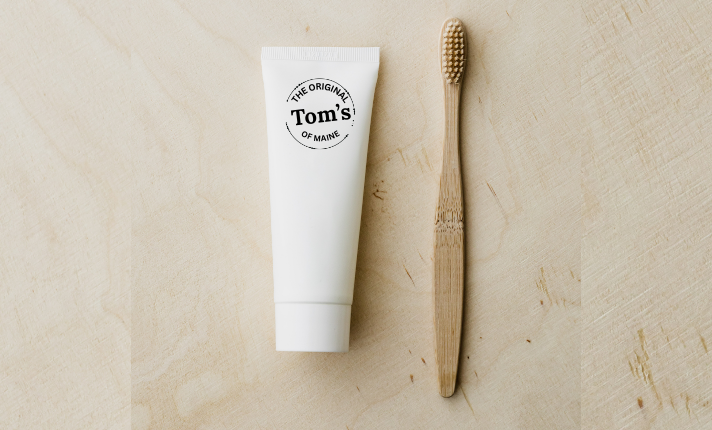
Voluntary Recall Announced After Routine Testing
Tom’s of Maine, a natural oral care company, recalled its products on a voluntary basis due to some of their toothpaste batches being contaminated with bacteria. The company stated that it initiated the recall as a precautionary measure and is currently working with regulatory authorities to resolve the contamination issue.
The affected toothpaste was sold nationally in several large retail chains and online on multiple platforms. The toothpaste batch is included in the recall based on what are now being identified as contaminated product lots based on the company’s internal testing, confirming that these products do not meet established germ-free criteria.
As of the time of the announcement, the company had not received anything official as to illness related to this recall, but encouraged customers not to use the recalled product and to return it for their money back.
What Was Discovered
According to the company’s routine microbiological testing, an investigation was performed on the toothpaste product after some of it was contaminated. While toothpaste is not typically made to be sterile, it must contain no harmful levels of bacteria that could lead to health issues for the consumer.
The bacteria found in the recalled batches are found naturally in the environment but can be harmful to people at risk, particularly those with compromised immune systems or an open wound in their mouth. The decision to pull the affected batches from the market was made purely from concern for the well-being of the public.
Experts explain that contamination of hygiene products can happen during manufacturing, packaging, or storage if proper safety procedures have not been adhered to. Even minor problems with hygiene standards can allow bacteria to enter sealed products.
Consumer Concerns and Brand Response
Tom’s of Maine has long marketed itself as a natural, environmentally conscious brand known for simple ingredient lists and sustainability efforts. News of the recall has understandably raised concerns among loyal customers who rely on the brand’s products daily.
In a public statement, the company emphasized that consumer safety is its top priority and that it has already implemented corrective actions at the manufacturing facility involved. These measures reportedly include enhanced sanitation protocols, additional testing requirements, and a review of production processes to prevent future incidents.
The company also established a customer service hotline and website page where consumers can check lot numbers and request refunds.
Retailers Remove Affected Products
The major retail chains responded promptly by removing all of the specified toothpaste batches from their respective store shelves. The online listings for each of these affected lot numbers were also deleted to prevent further sales.
According to Retail Industry Analysts, this type of product recall is not unusual in the personal care industry, despite concerns. Most of the larger companies also routinely perform safety testing on their products; voluntary recalls are often the result of the manufacturer’s internal monitoring systems working as designed.
Still, public trust can be fragile — particularly for brands positioned around health and natural wellness.
Health Guidance for Consumers
Medical professionals advise that individuals who used the recalled toothpaste but have not experienced symptoms are unlikely to face serious health effects. However, anyone who develops unusual oral irritation, swelling, persistent sores, or signs of infection should consult a healthcare provider.
Consumers are also encouraged to check product packaging carefully, including lot numbers and expiration dates, whenever a recall is announced.
Industry-Wide Implications
This recall highlights the need for stringent quality control processes in non-prescription consumer products that we use daily, such as toothpaste that we use several times each day. Toothpaste must consistently meet established safety standards.
Toothpaste manufacturers have an obligation to ensure that their products adhere to strict safety guidelines to protect the health of all users while at the same time providing consumers with high-quality products.
According to industry experts, when there is an increase in demand for natural and minimally-processed products, firms must develop a balance between simple ingredients and adequate preservative systems to inhibit the growth of microorganisms. Natural formulations can often have unique stability problems compared to synthetic formulations.
Over the next several months, Tom’s of Maine will need to concentrate on the restoration of confidence and the assurance that they have implemented corrective action. Their success in retaining customers will depend heavily on maintaining an open dialogue with their customers about the steps they are taking and demonstrating their commitment to quality assurance through visible quality efforts.
Looking Ahead
Although the recall has generated concern, company officials stress that it involves a limited number of batches and does not affect the brand’s entire toothpaste line. Production has reportedly resumed under revised safety protocols.
As consumers await further updates, the incident serves as a reminder that even established brands can face unexpected quality issues. What ultimately defines the long-term impact is not just the recall itself, but how swiftly and responsibly the company responds.
For now, customers are advised to verify their products and follow recall instructions — while regulators and the company continue to investigate how the contamination occurred and ensure it does not happen again.
