


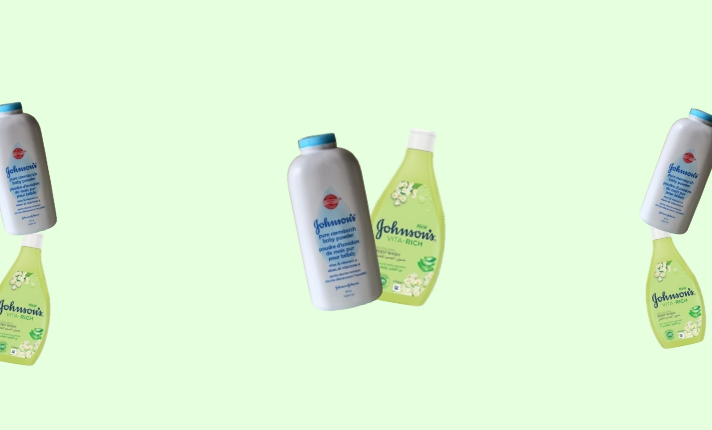
Jury Awards Damages in Ongoing Talc Litigation
On January 22, 2026, a jury in the United States rendered a verdict requiring Johnson and Johnson to pay $65,500,000 (sixty-five million five hundred thousand dollars) in damages to an individual who claimed that long-term use of Johnson and Johnson’s talcum powder products caused her to develop ovarian cancer. This case is another essential milestone in a multi-year legal dispute regarding the safety of talc powder.
This matter was brought before a jury in the state court venue by the plaintiff’s law firm. The plaintiff contended through her counsel that using Johnson and Johnson’s talc powder as a cosmetic and feminine hygiene product over many years resulted in exposure to talc that had been contaminated with asbestos, and therefore contributed to her diagnosis of ovarian cancer. Jurors returned a unanimous verdict in favor of the plaintiff by awarding the plaintiff compensatory and punitive damages in the total of $65,500,000.
Johnson & Johnson has consistently denied that its talc products cause cancer and has announced plans to appeal the ruling.
The Plaintiff’s Argument
Lawyers for the plaintiff called experts during the trial to provide testimony that certain talc deposits used for cosmetic purposes in the past came from areas where there were naturally occurring asbestos deposits. They claimed that microscopic asbestos fibers could have been introduced to talc during the mining and processing of talc, thereby potentially exposing users to long-term health dangers.
The plaintiffs claimed that the defendant failed to warn consumers of any risk of contamination, but continued to market their product as safe for daily use.
The jurors were presented with the plaintiffs’ claims of the existence of internal company records and studies that would support their claim that the defendant was aware of the risk of contamination. The defendant, on the other hand, challenged both the scientific evidentiary basis for the plaintiffs’ claims and any interpretation of the company’s internal communications.
Johnson & Johnson’s Defense
According to court documents, Johnson & Johnson maintains that its talcum powder products had been evaluated using rigorous testing and met regulatory requirements throughout their manufacturing history. The company representatives claimed there are numerous scientifically conducted investigations proving that there is no definitive connection between using cosmetic talcum powder and developing ovarian cancer.
The company stated it ceased selling its talc-based baby powder products in North America during 2020 and subsequently switched to using cornstarch-based baby powder products worldwide. Furthermore, the company maintains that this action was done for business purposes, not safety-related reasons.
The attorneys for Johnson & Johnson stated that this ruling is in direct conflict with the overall body of scientific research available and stated they will challenge the ruling on both the admissibility of expert testimony and the amount of damages awarded.
A Long Legal History
The latest ruling is one of thousands of cases filed against Johnson & Johnson over talc products. Over the past decade, juries across the country have delivered mixed outcomes, with some awarding substantial damages to plaintiffs and others siding with the company.
The litigation has resulted in billions of dollars in verdicts and settlements, although several large jury awards have later been reduced or overturned on appeal. The company has also pursued broader legal strategies aimed at resolving claims collectively rather than through individual trials.
Legal analysts note that while individual verdicts may fluctuate, each trial keeps public attention focused on the controversy.
Impact on the Company and Industry
Despite ongoing legal challenges, Johnson & Johnson remains one of the world’s largest healthcare corporations, with diverse pharmaceutical and medical device operations. However, talc litigation continues to cast a shadow over its consumer health legacy.
Industry observers say the case has reshaped how companies approach product liability and risk communication. Cosmetic and personal care brands now face heightened scrutiny over ingredient sourcing, mineral purity testing, and long-term safety research.
The case has also fueled broader consumer conversations about transparency and corporate responsibility in the beauty and healthcare industries.
What Happens Next
It might take some time for Johnson & Johnson to resolve post-trial motions & appeal procedures, as they have plans to do both. Appeals courts often reduce damages awarded, or can even remand for a new trial; while, in some situations, they may affirm a judgment.
From a plaintiff’s viewpoint, this ruling also represents closure to a very long and emotionally arduous legal battle. From a defendant’s perspective, this continues to represent a long-standing part of an overall complex litigation history, one that isn’t likely to be resolved in a long time.
As courts continue to balance scientific evidence with corporate accountability related to talc products, the talc controversy still remains one of the most bitter battles being observed and litigated against in the contemporary history of consumer products.
