


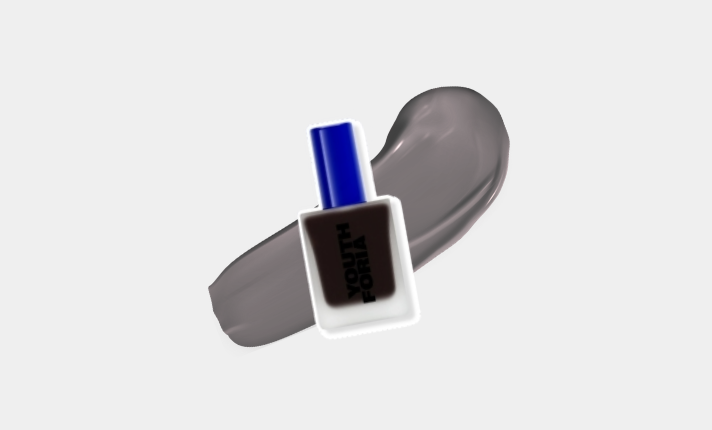
In August 2025, indie beauty brand Youthforia announced it was officially shutting down operations, months after facing intense backlash over the launch of its controversial “Jet Black” foundation shade. The closure marks a dramatic end for the once-viral brand that had positioned itself as innovative and inclusive within the cosmetics industry.
The Product That Sparked Outrage
Youthforia created controversy when they announced their latest addition, the new extended foundation line has an additional colour they refer to as ‘jet black’. This was advertised as a product being inclusive to all skin tones.
After a few days of posting the product as available, customers and beauty influencers began posting their reviews claiming that the actual result once applied was not a natural match of skin, but instead was a flat and unnatural black. Many consumers and influencers also waited until they had received their product before posting their reviews, indicating that the product had been formulated poorly in regard to the skin colour for which it was designed.
As the images/swatch videos began circulating at a rapid pace on TikTok, Instagram, and YouTube, more and more people began posting their discontent with what was being advertised as a product created for the purpose of being inclusive. In fact, many customers felt that it was only a marketing tactic that had nothing to do with providing a product that would actually work as a foundation for deeper skin tones.
Social Media Backlash Intensifies
Backlash against the product rapidly escalated beyond performance issues. Some commentators have labeled the shade itself as both insensitive and poorly researched in regard to the shade needing to be carefully formulated due to the variances of undertone that can exist within deep-toned skin. Additionally, some have questioned how it could have passed internal testing and quality control before its release.
Numerous professional artists and creators of beauty and/or cosmetics have publicly criticized the brand, stating that diversity is not only about making more colours available, but also that the colours made available are usable, representative, and properly formulated for use.
The controversy quickly became a trending topic on social media within the beauty community and resulted in widespread use of hashtags calling for accountability and transparency within the industry. More than likely, for an independent brand, the amount of criticism would have proven to be a major burden for the company to deal.
Company Response
In the weeks following the uproar, Youthforia issued statements defending its intention behind the product while acknowledging customer disappointment. The company said the “Jet Black” shade was developed in response to requests for deeper options and insisted there was no intention to offend.
The brand later announced it would review the formulation process and temporarily pause sales of the shade. However, many consumers felt the response was too slow and lacked sufficient accountability.
Retail partners reportedly began reevaluating their relationship with the company as negative press continued to circulate.
Financial Strain and Loss of Trust
Industry analysts suggest that the controversy significantly impacted Youthforia’s sales and investor confidence. As a relatively young brand, it relied heavily on positive influencer relationships and strong online engagement. Once trust eroded, recovery proved challenging.
Reports indicated that returns increased and planned product launches were delayed. Marketing efforts appeared to slow, and customer engagement across social platforms declined sharply.
By mid-2025, speculation about the brand’s financial stability began to surface. In August, Youthforia confirmed it would cease operations, citing “ongoing business challenges” and the inability to sustain growth following recent setbacks.
Lessons for the Beauty Industry
The closure of Youthforia illustrates that the current approach to beauty isn’t just an aesthetic pursuit; it’s a business one, based on the expectation of consumers of genuine representation, scientific integrity through research, and authenticity. If there are errors made in this process, particularly with regard to sensitive topics such as shade variety, the ramifications can be immediate and long-lasting.
According to experts, this controversy is an important reminder of what is necessary for companies to appropriately expand their product offerings – expanding product lines should consist of more than symbolic representation. Examples include but are not limited to thorough testing, working with diverse communities, and having transparent processes throughout the entire inclusive development of a product.
A Rapid Rise and Fall
In prior years, Youthforia attracted notice through playful branding and skin-centric formulas, creating a devoted online following. The decline of Youthforia shows how rapidly trend data can change within modern digital media.
Some of Youthforia’s fans were saddened by this news; however, many others viewed the closing of Youthforia as an example of consumer accountability.
As the beauty industry evolves, the Youthforia chapter will likely serve as an example for future lessons in which all three areas — Innovative / Representative / Responsible — must coexist if they are to avoid long-term harm to either a company’s reputation or its sustainability.
