


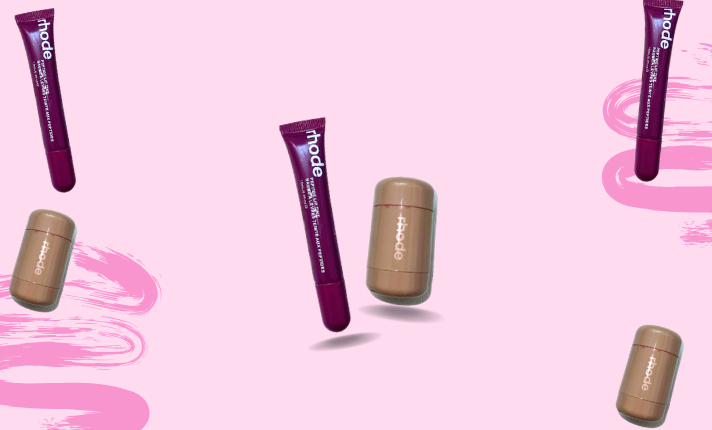
In 2025, skincare brand Rhode settled its long-running trademark dispute with fashion label Rhode-NYC, bringing an end to a legal battle that had followed the beauty company since its launch.
The case, which centered on the shared use of the name “Rhode,” had raised complex questions about branding, intellectual property rights, and the challenges of launching celebrity-backed businesses in crowded markets.
The Origins of the Dispute
Founded by Hailey Bieber, Rhode launched with a minimalist approach to skincare focused on simplifying your routine and using products/processes that would help support your skin’s barrier. Not long after its debut, however, an established fashion company – distinctly Rhode-NYC (a New York-based established fashion company that came about before Rhode) – filed a lawsuit against Rhode for both trademark infringement and unfair competitive activities.
Rhode-NYC argued that when the new skincare brand entered the marketplace, the fashion company had already been using the name “RHODE” for several years in relation to their fashion label. The company argued that having two brands under the same name in the beauty industry could lead to consumer confusion since both companies sell products online through similar retailers and promote their products through social media.
Rhode-NYC’s request for damages related to brand dilution was based on the restriction of the ability for Rhode to use the name Rhode in conjunction with their new product line.
Legal Arguments on Both Sides
Lawyers for Rhode-NYC asserted that the company’s years of effort had resulted in establishing a distinct identity in the apparel marketplace and that having another company enter into this sector with a similarly named celebrity skin care product had muddled its ability to be found in searches and on social media sites.
Moreover, they cited specific instances where consumers have confused the brands by tagging or messaging them on social media as further support for their assertion of marketplace confusion.
In contrast, Rhode’s legal counsel argued that skincare and fashion categories are distinct from either an industry or marketplace perspective, and that this separate categorization provides sufficient grounds under trademark law for two similarly named brands to co-exist as long as a significant likelihood of confusion does not exist.
As a result of the high-profile nature of both companies and their similar founders being women, the battle was closely scrutinized by both the fashion and beauty industries.
Settlement Reached in 2025
After years of legal proceedings, mediation discussions, and public scrutiny, both parties announced in 2025 that they had reached a confidential settlement agreement. While specific financial terms were not disclosed, statements from both companies indicated that the matter had been resolved amicably.
Neither brand admitted wrongdoing as part of the agreement.
In a brief statement, Rhode expressed appreciation for a constructive resolution and reiterated its focus on product innovation and global expansion. Rhode-NYC similarly stated that it was pleased to move forward and continue building its fashion identity.
Impact on Branding and Business
The settlement allows Rhode to continue operating under its current name, avoiding a potentially costly and disruptive rebrand. Industry analysts note that changing a brand name after global recognition can significantly impact marketing, packaging, and digital presence.
For Rhode-NYC, the resolution may include protections or clarifications regarding brand distinction, though exact details remain private.
Legal experts say the case highlights the increasing challenges brands face when selecting names in saturated markets. Even with trademark searches and legal vetting, overlapping names across industries can lead to costly disputes.
A Broader Lesson for Celebrity Brands
The dispute highlights the interests of celebrities who launch their own businesses. Celebrity influence can help gain exposure for businesses, but it sometimes leads to increased legal problems if the name of the new business is similar to the name of an existing small business or brand.
IP attorneys advise that anyone who is starting a new business, especially if they are a celebrity or well-known public figure, should do a lot of research prior to launching their new business in order to avoid potential disputes with pre-existing businesses.
Moving Forward
The litigation has now concluded, allowing Rhode to focus on developing product lines and expanding into new retail markets without having to worry about a lawsuit hanging over its head. Additionally, Rhode-NYC (Rhode’s flagship brand) Status Quo remains on track to continue its success as an independent company in the fashion space.
The completion of this case marks a major milestone for one of the most heavily covered trademark cases in the beauty business, after almost three years of litigation between the two companies. This case proves that in today’s global marketplace, a company’s name represents more than just its brand power; it also represents the legal rights associated with using that name.
